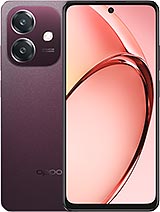
ZTE Blade V40 review
The Blade V40 suits buyers in regions where two-day battery life is a luxury and charging infrastructure is unreliable, or who spend most of their time scrolling rather than gaming. Anyone who values quick charging, snappy performance, or modern video capture should look to rivals, even at the same price point.
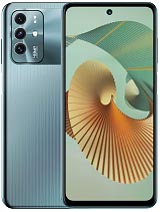
This review is based on ZTE’s published specifications and public benchmark data for the ZTE Blade V40, and the rating is spec-based. GoSolo does not physically test devices; where we estimate real-world behaviour such as battery life or charge time, we say so. How we rate phones.
Overview
The Blade V40 is a large, capacious phone from 2022 that trades performance and charging speed for battery endurance and a roomy screen at a rock-bottom price. It suits buyers in markets where longevity matters more than snappy performance, but the Dimensity 700 and 22.5W charging feel dated even for its class and year.
Design & Build
The spec sheet lists no weight or dimensions, which is unhelpful, but the 6.67-inch footprint suggests a phone that sits between standard and oversized. A tall 20:9 aspect ratio and IPS LCD screen promise decent brightness for outdoor use, though without the weight data it is hard to judge handling comfort. The phone carries a side-mounted fingerprint sensor, dual nano-SIM slots, and a 3.5mm headphone jack—a rarity even then, and useful if your market values it. Build quality is not specified, so assume plastic and typical midrange durability.
Display
The 6.67-inch IPS LCD at 1080×2400 pixels and 395 ppi is a straightforward, capable screen. At that density, text remains sharp at arm's length, and the tall aspect ratio excels for scrolling through chat, social media, and books. IPS color is neutral and reliable, though the LCD won't match OLED contrast or brightness in harsh sunlight, a trade-off you accept at this price. It is not flashy, but it works for a large phone that prioritizes battery life over display refinement.
Performance
The Mediatek Dimensity 700 with 6GB RAM is entry-midrange hardware, capable of everyday tasks—messaging, browsing, social apps, video playback—without meaningful lag. Demanding games, video editing, or heavy multitasking expose its limits quickly; expect stuttering and delays if you ask it to juggle many apps or run graphics-heavy software. For a 2022 phone sold into 2023, it was already conservative; competitors at the same price paired more potent chips. The 128GB storage is adequate but not expansive, and the microSD slot saves you from painful decisions about what to delete.
Software
Android 12 was current at announcement but is aging now; ZTE's history with timely updates is patchy, so plan for one or two major OS bumps if you are lucky. Security patches are the wild card in many markets, so factor that into your ownership timeline. The interface is clean and largely bloat-free, a small mercy for a budget device.
Camera
The 48MP main camera with f/1.8 aperture and PDAF is the highlight. The fast lens gathers more light than typical for the price, translating to cleaner daytime shots and better low-light handling than phones with narrower apertures. A 2MP macro lens is a gimmick—it adds little real value—but HDR and dual-LED flash round out the basics. Video caps at 1080p/30fps, which is functional but unremarkable; rivals were filming at 4K by this stage. The 8MP selfie camera is adequate for video calls but disappointing for self-portraits or group framing.
Battery & Charging
The 6000mAh battery is the Blade V40's strongest claim. In moderate use—texting, calls, light browsing—you will comfortably reach a second day before charging; heavier video watching or gaming cuts that to one full day. For markets where finding a charger is not guaranteed every night, this is a genuine strength. The weakness is the 22.5W wired charging, which takes roughly 60–75 minutes to refill the battery. By 2022 standards, that was already slow; competitors at half the cost often shipped with 33W, 44W, or even 65W chargers, cutting recharge time by an hour or more. If speed matters, you will feel this brake every time you plug in.
Value & Verdict
The Blade V40 occupies an odd middle ground. Its 6000mAh battery and large screen appeal to buyers who need a phone that lasts, but the glacial charging and modest performance undercut its appeal in markets where faster rivals are not much pricier. On paper, it looks practical; in daily use, the slow processor and slow charger introduce friction that nicer phones at the same cost avoid. If your priority is battery endurance and you do not mind waiting to charge, it works. If you value responsiveness and quick top-ups, save a bit more or look sideways.
Verdict
The Blade V40 suits buyers in regions where two-day battery life is a luxury and charging infrastructure is unreliable, or who spend most of their time scrolling rather than gaming. Anyone who values quick charging, snappy performance, or modern video capture should look to rivals, even at the same price point.
- 6000mAh battery easily lasts two days with moderate use, a real advantage in markets with erratic charger access
- 6.67-inch 1080×2400 display is tall and readable, ideal for reading and scrolling in apps
- 48MP f/1.8 main camera with PDAF handles daylight shots and low-light reasonably well for the price
- 5G support and microSD expansion future-proof storage without forcing a costly upgrade
- 22.5W charging is slow by 2022 standards; rivals at this price hit 33–65W and cut hours off the recharge time
- Dimensity 700 is entry midrange; it stumbles on heavy apps, games, and sustained multitasking, making the phone feel sluggish in daily use
- 1080p video and modest selfie camera (8MP) lag behind competitors at the same cost
ZTE Blade V40 Key Specifications
The essentials at a glance. See the full spec sheet.
| Released | 2022, February 28 |
|---|---|
| Display | 6.67 inches, 107.4 cm2, IPS LCD |
| Resolution | 1080 x 2400 pixels, 20:9 ratio (~395 ppi density) |
| Chipset | Mediatek Dimensity 700 (7 nm) |
| RAM & storage | 128GB 6GB RAM |
| Main camera | 48 MP, f/1.8, (wide), PDAF 2 MP (macro) Auxiliary lens |
| Selfie camera | 8 MP, f/2.0, (wide) |
| Battery | 6000 mAh |
| Charging | 22.5W wired |
| Software | Android 12 |
| Network | GSM / HSPA / LTE / 5G |
| NFC | Yes (market/region dependent) |
| USB | USB Type-C 2.0 |
ZTE Blade V40 FAQ
Common questions, answered from the spec sheet.
Does the Blade V40 support 5G?
Yes. The Blade V40 supports 5G networks.
What chipset does the Blade V40 use?
The Blade V40 runs on the Mediatek Dimensity 700 (7 nm).
What display does the Blade V40 have?
A 6.67 inches, 107.4 cm2 IPS LCD, 1080 x 2400 pixels, 20:9 ratio (~395 ppi density).
How big is the Blade V40 battery?
The Blade V40 has a 6000 mAh battery. Charging is rated at 22.5W wired.
Does the Blade V40 have NFC?
Yes, the Blade V40 has NFC.
Does the Blade V40 support a microSD card?
Yes, the Blade V40 supports expandable storage (microSDXC).
Does the Blade V40 have a headphone jack?
Yes, the Blade V40 has a 3.5mm headphone jack.
Alternatives to consider
If the Blade V40 isn’t quite right, these are the closest calls.
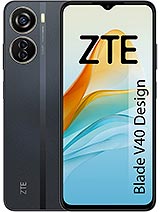
Blade V40 Design
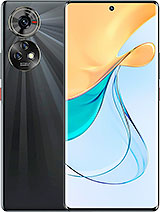
Blade V50 5G
Blade V50 Vita
Blade V60
Galaxy M15 5G