ZTE Blade V40 Design review
The Blade V40 Design suits someone who uses a phone for messaging, social media, and light photo capture and values a slim, lightweight form factor enough to overlook a slow processor and long charging times. Anyone who plays games, shoots video, or wants responsive multitasking should look elsewhere—the T616 will frustrate you within weeks.
This review is based on ZTE’s published specifications and public benchmark data for the ZTE Blade V40 Design, and the rating is spec-based. GoSolo does not physically test devices; where we estimate real-world behaviour such as battery life or charge time, we say so. How we rate phones.
Overview
A 2023 budget phone with a slim frame and large 6.6-inch screen that excels at holding steady in the hand and delivering sharp daylight photos. The Unisoc T616 chipset and 4500mAh battery make it a sensible pick for messaging and social media, but not for games or long days of heavy use.
Design & build
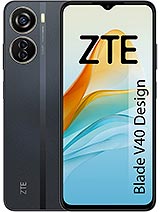
At 8mm thick and 183g, the Blade V40 Design lives up to its name—it is one of the slimmest 6.6-inch phones you can buy. The dimensions feel almost eerie compared to rivals that bloat to 9–10mm. The trade-off is that ZTE has not filled in the spec sheet on the materials, so durability and build quality remain a question mark; at this price in 2023, you would expect at least IP54 dust resistance and Gorilla Glass, neither of which are mentioned. The phone is light enough to forget in a pocket, which matters if you despise the dead weight most modern budget handsets carry.
Display
The 6.6-inch IPS LCD running 1080 x 2408 pixels hits 400 ppi, delivering crisp text and video without the banding or washed blacks that plague cheaper panels. The 20:9 aspect ratio is taller than standard, which squeezes more content into scrolling apps and long threads—handy if you live on social media or news feeds. IPS means colors are neutral rather than punchy, and contrast will not rival OLED, but for this price point and use case, it is sharp and practical. Brightness is not listed, so real-world readability in sunlight remains unknown.
Performance
The Unisoc Tiger T616 paired with Mali-G57 MP1 GPU is a budget workhorse that handles WhatsApp, email, and casual browsing without drama. Multitasking is competent as long as you do not pile on apps; the moment you try a 3D title, your frame rate collapses. By 2023 standards, this chipset is two generations behind the pace set by Mediatek and Qualcomm rivals at this price, and it shows in benchmarks and real-world throttling. RAM is either 4GB or 6GB depending on your market; 6GB softens the pain but does not fix the underlying CPU weakness.
Software
Android 12 with ZTE's MyOS 12 skin ships out of the box. MyOS is not a known offender for bloat or aggression, but it is also not particularly light or transparent. Android 12 itself was already a generation behind when this phone launched in early 2023, and there is no indication ZTE will push timely updates; budget brands rarely do. Security patches and OS upgrades are the real question, and the specs do not answer it.
Camera
The 50MP main shooter with f/1.8 aperture and phase-detect autofocus (PDAF) is the phone's strongest component. In daylight and low light, the wide aperture and large sensor (inferred from the MP and f-stop) gather enough light to produce clean stills without heavy noise or blur. A 2MP macro lens sits alongside for close-ups, which is more useful than the ultra-wide on many rivals. The 8MP selfie camera is ordinary. Where it breaks down is video: capped at 1080p@30fps, it cannot compete with budget phones offering 4K or even smooth 60fps, which limits flexibility if you shoot for social platforms or want video to age reasonably well. No optical zoom and no ultra-wide round out a camera set that is competent but narrow.
Battery & charging
4500mAh with 22.5W wired charging yields about one full day of light-to-moderate use (messaging, social media, some video). Heavy users will need juice by afternoon. The charging speed is slow in 2023 terms—rivals at this price now push 65–100W, so a full cycle here takes roughly 1.5 to 2 hours versus 20–30 minutes for faster chargers. There is no wireless charging, which is not unusual at this price, but the wired speed gap is real.
Value & verdict
At around 200 EUR, the Blade V40 Design is priced as a no-frills everyday phone for someone who does not game, does not demand video power, and prioritizes a light, slim form factor and strong daylight photos. In 2023, the Unisoc T616 was already a compromise; by 2024 and beyond, it feels dated. The dedicated microSD slot and dual SIM are practical bonuses for emerging markets. The camera punches above the chipset, which creates an odd imbalance: you get a phone good enough to take decent stills but too slow to comfortably edit or share them. For the money, you are trading compute power and charging speed for thinness and camera purity, which only makes sense if you have very specific priorities.
Verdict
The Blade V40 Design suits someone who uses a phone for messaging, social media, and light photo capture and values a slim, lightweight form factor enough to overlook a slow processor and long charging times. Anyone who plays games, shoots video, or wants responsive multitasking should look elsewhere—the T616 will frustrate you within weeks.
- 8mm thickness and 183g weight—genuinely slim and light for a 6.6-inch phone, easier to grip and pocket than most rivals at this diagonal
- 50MP main camera with f/1.8 aperture and PDAF handles daylight and low-light stills cleanly without the blur rivals produce
- Dedicated microSD slot lets you expand storage without sacrificing the dual SIM, useful in regions where both matter
- IPS LCD at 400 ppi is bright and sharp enough for reading and video, with a 20:9 tall ratio that fits more text on screen
- Unisoc T616 is slow by 2023 standards—apps stutter under load and any 3D game becomes a slide show
- 1080p video capture caps your options if you shoot social media clips or want to future-proof footage
- 22.5W charging and 4500mAh battery mean a full cycle takes 1.5–2 hours, slower than most budget rivals
ZTE Blade V40 Design Key Specifications
The essentials at a glance. See the full spec sheet.
| Released | 2022, December 21 |
|---|---|
| Display | 6.6 inches, 104.9 cm2 (~87.0% screen-to-body ratio), IPS LCD |
| Resolution | 1080 x 2408 pixels, 20:9 ratio (~400 ppi density) |
| Chipset | Unisoc Tiger T616 (12 nm) |
| RAM & storage | 128GB 4GB RAM, 128GB 6GB RAM |
| Main camera | 50 MP, f/1.8, (wide), PDAF 2 MP (macro) Auxiliary lens |
| Selfie camera | 8 MP, (wide) |
| Battery | 4500 mAh |
| Charging | 22.5W wired |
| Software | Android 12, MyOS 12 |
| Dimensions | 163 x 74 x 8 mm (6.42 x 2.91 x 0.31 in) |
| Weight | 183.4 g (6.46 oz) |
| Network | GSM / HSPA / LTE |
| NFC | Yes |
| USB | USB Type-C 2.0 |
ZTE Blade V40 Design FAQ
Common questions, answered from the spec sheet.
Does the Blade V40 Design support 5G?
No. The Blade V40 Design tops out at GSM / HSPA / LTE, without 5G.
What chipset does the Blade V40 Design use?
The Blade V40 Design runs on the Unisoc Tiger T616 (12 nm).
What display does the Blade V40 Design have?
A 6.6 inches, 104.9 cm2 (~87.0% screen-to-body ratio) IPS LCD, 1080 x 2408 pixels, 20:9 ratio (~400 ppi density).
How big is the Blade V40 Design battery?
The Blade V40 Design has a 4500 mAh battery. Charging is rated at 22.5W wired.
Does the Blade V40 Design have NFC?
Yes, the Blade V40 Design has NFC.
Does the Blade V40 Design support a microSD card?
Yes, the Blade V40 Design supports expandable storage (microSDXC (dedicated slot)).
Does the Blade V40 Design have a headphone jack?
Yes, the Blade V40 Design has a 3.5mm headphone jack.
Alternatives to consider
If the Blade V40 Design isn’t quite right, these are the closest calls.
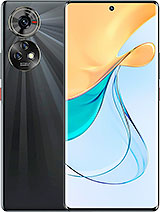
Blade V50 5G
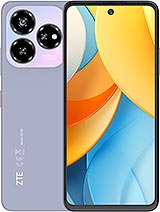
Blade V60 Design
Blade V70 Design
Blade V50 Vita
Galaxy A06