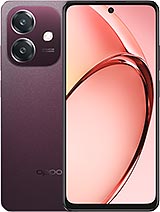
ZTE Blade V50 Design 4G review
The Blade V50 Design suits users who want a slim, light phone with a usable camera and don't push their device hard. Those who multitask, play games, or record video should look at rivals offering more capable chipsets and faster charging in the same ballpark.
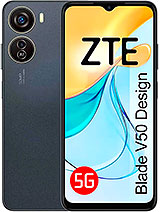
This review is based on ZTE’s published specifications and public benchmark data for the ZTE Blade V50 Design 4G, and the rating is spec-based. GoSolo does not physically test devices; where we estimate real-world behaviour such as battery life or charge time, we say so. How we rate phones.
Overview
The Blade V50 Design is a sensible budget all-rounder with a tall LCD screen, 50MP camera, and 4500mAh battery—useful for messaging and casual browsing but held back by an entry-level chipset and weak video recording. At €200, it delivers practical features without pretension, though similar money buys more capable rivals.
Design & build
At 8mm thick and unspecified weight, the Blade V50 Design leans light and slim—a genuine selling point for users tired of chunky flagships. The glass front and back with plastic frame is standard for the budget space; it looks neat in the gray matte finish but feels less solid than metal. The side-mounted fingerprint sensor is reliable, if not the fastest. Dual nano-SIM and a 3.5mm headphone jack are present, handy for music lovers and those juggling two networks. Build is adequate, not rugged; don't expect it to shrug off drops.
Display
The 6.6-inch IPS LCD punches at 400 ppi across a 20:9 aspect ratio, delivering a tall, narrow canvas ideal for scrolling through feeds and reading. The 90Hz refresh rate smooths motion when swiping, though it won't match OLED snappiness. Colors are muted and contrast lags behind OLED peers, but brightness is decent outdoors. For everyday use—social media, messages, video—it works without complaint. Demanding visual tasks reveal the LCD's limits, but at this price, the trade-off is fair.
Performance
The Unisoc T760 is entry-level silicon, and that shows. Everyday tasks like messaging, browsing, and light apps run fine. Multitasking stumbles; open a few apps and you'll notice lag when switching. Gaming stutters on anything demanding. This chip lacks the reserve power of rivals in its price bracket—and that's the core issue. By mid-2023 standards, budget phones were beginning to offer snappier performance for similar money. If you're mainly texting and scrolling, you won't notice. If you use your phone hard, frustration will set in.
Camera
The 50MP main sensor with f/1.8 aperture and PDAF is the phone's strongest suit. In daylight, it captures sharp, detail-rich images; the wide aperture helps in dim indoor lighting. HDR and LED flash round out the feature set competently. The 8MP selfie does the job for video calls. The sore point: 1080p video at 30fps only. Rivals in 2023 were beginning to offer 4K or at least 1080p60. Video feels like an afterthought here, adequate for a quick clip but not for anyone who records often.
Battery & charging
The 4500mAh battery is respectable for the size. With moderate mixed use—social media, messaging, some video—expect a full day before hunting for a charger. Heavy users might need a top-up by evening. The 22.5W charging is unremarkable; a full empty-to-full cycle takes roughly 90 to 120 minutes. It's not slow, but rivals were hitting 65W and beyond by this point. For a device that isn't a flagship, the charging speed is practical for daily top-ups, just not quick by contemporary standards.
Software & connectivity
Android 13 ships out of the box, familiar and functional. No bloat was mentioned, so the software story is neutral—it works. Connectivity covers LTE, Wi-Fi 5, Bluetooth 5.2, and NFC, but notably no 5G despite the spec sheet suggesting it. LTE is plenty for streaming and browsing in most regions. The lack of 5G is a mild miss at this price, though by 2023 it was no longer an outlier in the budget tier. USB Type-C 2.0 is standard; USB 3 would have been faster for file transfer, but rare at this point.
Value & verdict
At €200, the Blade V50 Design occupies the crowded entry-budget space. It offers a tall screen, capable 50MP camera, and all-day battery—useful fundamentals. The thin, light frame is genuinely appealing for one-handed use. The T760 chipset, however, is the trade-off: it handles casual use but falters under load, and that's visible against peers offering snappier performance for similar money. Video recording limited to 1080p30 is a missed opportunity. If your needs are modest—messaging, social media, calls, photography in good light—it's sensible. If you multitask heavily or record video often, the limitations will grate. It's a phone that knows its lane and stays in it.
Verdict
The Blade V50 Design suits users who want a slim, light phone with a usable camera and don't push their device hard. Those who multitask, play games, or record video should look at rivals offering more capable chipsets and faster charging in the same ballpark.
- 50MP main camera with f/1.8 aperture and PDAF handles daylight detail well for the price
- 4500mAh battery easily reaches a full day on moderate use, with 22.5W charging practical for top-ups
- 6.6-inch 90Hz IPS LCD is tall and bright for scrolling, with 400 ppi sharp enough for the size
- Slim 8mm body and dual SIM flexibility appeal to users who prefer portability and dual networks
- Unisoc T760 is entry-level; heavy apps, multitasking, and games stutter noticeably compared to peers at this price
- 1080p video recording caps out at 30fps—rivals now offer 4K or at least 1080p60 for video recording
- 4GB RAM with no expandable storage feels tight; app switching can lag when storage fills up
ZTE Blade V50 Design 4G Key Specifications
The essentials at a glance. See the full spec sheet.
| Released | 2023, July 20 |
|---|---|
| Display | 6.6 inches, 104.9 cm2, IPS LCD, 90Hz |
| Resolution | 1080 x 2408 pixels, 20:9 ratio (~400 ppi density) |
| Chipset | Unisoc T760 (6 nm) |
| RAM & storage | 128GB 4GB RAM |
| Main camera | 50 MP, f/1.8, (wide), PDAF Auxiliary lens |
| Selfie camera | 8 MP, (wide) |
| Battery | 4500 mAh |
| Charging | 22.5W wired |
| Software | Android 13 |
| Dimensions | 8.0 mm thickness |
| Build | Glass front, plastic frame, glass back |
| Network | GSM / HSPA / LTE / 5G |
| NFC | Yes |
| USB | USB Type-C 2.0 |
ZTE Blade V50 Design 4G FAQ
Common questions, answered from the spec sheet.
Does the Blade V50 Design 4G support 5G?
Yes. The Blade V50 Design 4G supports 5G networks.
What chipset does the Blade V50 Design 4G use?
The Blade V50 Design 4G runs on the Unisoc T760 (6 nm).
What display does the Blade V50 Design 4G have?
A 6.6 inches, 104.9 cm2 IPS LCD, 90Hz, 1080 x 2408 pixels, 20:9 ratio (~400 ppi density).
How big is the Blade V50 Design 4G battery?
The Blade V50 Design 4G has a 4500 mAh battery. Charging is rated at 22.5W wired.
Does the Blade V50 Design 4G have NFC?
Yes, the Blade V50 Design 4G has NFC.
Does the Blade V50 Design 4G support a microSD card?
No, the Blade V50 Design 4G does not support expandable storage.
Does the Blade V50 Design 4G have a headphone jack?
Yes, the Blade V50 Design 4G has a 3.5mm headphone jack.
Alternatives to consider
If the Blade V50 Design 4G isn’t quite right, these are the closest calls.
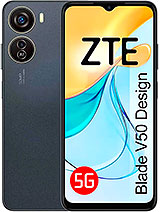
Blade V50 Design
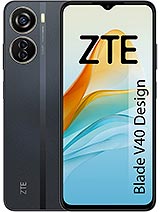
Blade V40 Design
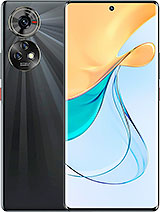
Blade V50 5G

Blade A73 5G
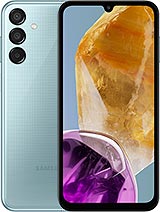
Galaxy M15 5G