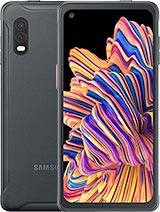
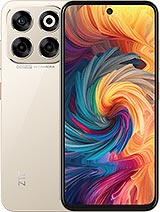
ZTE Blade V70 review
The Blade V70 suits buyers in emerging markets who prioritize battery endurance, dual SIM, and a large display over screen crispness and charging speed. Anyone who charges their phone daily, records video regularly, or reads fine text often should look at rivals with higher resolution screens and faster charging in the same price range.
This review is written with AI assistance from ZTE’s published specifications and public benchmark data for the ZTE Blade V70, and the rating is spec-based. GoSolo does not physically test devices; where we estimate real-world behaviour such as battery life or charge time, we say so. How we rate phones.
Overview
The ZTE Blade V70 is a large-screen budget phone that trades sharpness and speed for battery life and a big 120Hz display. It is a sensible choice for emerging-market buyers who need a dual-SIM workhorse with all-day battery and do not mind soft text on the screen or modest gaming performance.
Design & build
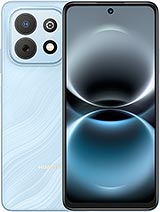
The Blade V70 is thin at 8.2 mm and grips a large 6.7-inch frame without revealing its weight, though the specs do not list the actual figure. The side-mounted fingerprint sensor is a practical touch on a phone at this price, where in-display readers often lag or add cost. Dual Nano-SIM support is a core feature for markets where running two numbers on one device is the norm. There is no hint of premium materials in the spec sheet, and Mohs level 4 screen protection is basic, but that matches what you get in this tier. Do not expect a flagship feel; expect a tool.
Display
A 6.7-inch 120Hz IPS LCD is the headline draw here, and the jump from 60Hz to 120Hz does make scrolling noticeably smoother when you are flicking through feeds or swiping through settings. The catch is resolution: 720 x 1600 pixels at that size yields only 262 ppi density, which is soft by modern standards. Text in browsers, spreadsheets, and small app fonts blurs slightly, and fine photo details flatten. Rivals in this price range now deliver 1080p or higher on similar screen sizes, so this is a real step backward for daily clarity. If you squint a lot or read small print often, you will notice.
Performance
An octa-core 2.0 GHz processor with 8GB RAM handles everyday apps, messaging, social scrolling, and web browsing without lag or stutter. The insight that light to moderate use runs smoothly is honest; this is not a speed demon, but it is competent for basics. Heavy games, video editing, or switching between many apps will expose its limits. Thermal throttling under sustained load is likely, and you will see frame drops in demanding titles. For a phone at 140 EUR aimed at global-south buyers, this is appropriate. Nobody shopping in this tier expects to run the latest games at high settings.
Camera
The 108 MP main sensor with f/1.8 aperture and phase-detect autofocus is a genuine strength in daylight. Sharp detail, fast focus, and good color rendering in bright conditions make it easy to shoot snaps for social media or quick family photos. The wide aperture helps low-light performance too, and you will see decent results indoors or at dusk. However, video is the sore point: 1080p at 30 fps is basic, with no 4K, no 60 fps option, and no mention of stabilization. If you ever want to record anything longer than a short clip, you are stuck. The 16 MP selfie camera rounds out the set without distinction.
Battery & charging
The 5000 mAh battery is a standout feature for stamina. Light use (messaging, browsing, social media) stretches it to 1.5 days or more; mixed use hits a full day before you hunt for a charger. This is genuine endurance for a 2025 budget phone and makes the Blade V70 a smart pick if you travel, work shifts, or simply dislike charging nightly. The trade-off is charging speed: 22.5W is slow by current standards. Most rivals at this price have moved to 65W or even 100W, so you are looking at 1.5 to 2 hours to refill from empty. If you are in a rush or forget to charge overnight, you will feel the lag.
Software & connectivity
Android 14 out of the box is current as of release and puts the Blade V70 in line with flagship support timelines, though long-term updates are ZTE's weakness. Wi-Fi 5 and Bluetooth 5.2 are standard for this price and handle streaming, wireless earbuds, and file sharing without issue. Dual SIM and expandable microSD storage mean you can run two phone lines and bypass cloud costs by adding a cheap card for videos and photos. GPS with Galileo and GLONASS adds accuracy. NFC is market-dependent but helpful where contactless pay exists. None of this is exciting, but it all works.
Value & verdict-context
At around 140 EUR, the Blade V70 occupies a specific niche: buyers who value battery life, dual SIM, a big screen, and a headline 108 MP camera over screen sharpness, charging speed, or raw speed. The 262 ppi density is a real concession in a world where 1080p is now table stakes even in budget tiers, and the 22.5W charging feels dated. But the 120Hz display smoothness, 5000 mAh endurance, and solid daylight camera add real daily value. This is an honest option for emerging markets where battery life matters more than premium feel and where two phone numbers on one device is not a luxury—it is a practical need.
Verdict
The Blade V70 suits buyers in emerging markets who prioritize battery endurance, dual SIM, and a large display over screen crispness and charging speed. Anyone who charges their phone daily, records video regularly, or reads fine text often should look at rivals with higher resolution screens and faster charging in the same price range.
- 5000 mAh battery easily lasts a full day of mixed use or longer with light browsing and messaging, a real advantage at this price.
- Dual Nano-SIM plus expandable storage gives flexibility to run two phone lines and add cheap microSD cards for storage without paying for cloud.
- 120Hz IPS LCD display makes scrolling visibly smoother than the 60Hz screens rivals ship at the same price, even if the 262 ppi density keeps text and images soft.
- 108 MP main camera with f/1.8 aperture and PDAF focuses fast and captures sharp daylight shots, useful for social media uploads.
- 720p screen resolution on a 6.7-inch display leaves text noticeably blurry; fine print, spreadsheets, and detailed images lack the crispness of mid-range rivals at this price.
- 22.5W charging is slow by 2025 standards; most phones at 140 EUR now hit 65W or higher, so filling the 5000 mAh battery takes 1.5 to 2 hours.
- 1080p30 video recording is basic; no 4K option, 60fps mode, or stabilization means video is only fit for short social clips, not family recordings or vlogging.
ZTE Blade V70 Key Specifications
The essentials at a glance. See the full spec sheet.
| Released | 2024, November 18 |
|---|---|
| Display | 6.7 inches, 108.4 cm2, IPS LCD, 120Hz |
| Resolution | 720 x 1600 pixels, 20:9 ratio (~262 ppi density) |
| RAM & storage | 256GB 8GB RAM |
| Main camera | 108 MP, f/1.8, (wide), 1/1.67", PDAF other unspecified cameras |
| Selfie camera | 16 MP |
| Battery | 5000 mAh |
| Charging | 22.5W wired |
| Software | Android 14 |
| Dimensions | 8.2 mm thickness |
| Network | GSM / HSPA / LTE |
| NFC | Yes (market/region dependent) |
| USB | USB Type-C 2.0 |
ZTE Blade V70 FAQ
Common questions, answered from the spec sheet.
Does the Blade V70 support 5G?
No. The Blade V70 tops out at GSM / HSPA / LTE, without 5G.
What display does the Blade V70 have?
A 6.7 inches, 108.4 cm2 IPS LCD, 120Hz, 720 x 1600 pixels, 20:9 ratio (~262 ppi density).
How big is the Blade V70 battery?
The Blade V70 has a 5000 mAh battery. Charging is rated at 22.5W wired.
Does the Blade V70 have NFC?
Yes, the Blade V70 has NFC.
Does the Blade V70 support a microSD card?
Yes, the Blade V70 supports expandable storage (microSDXC).
Does the Blade V70 have a headphone jack?
Yes, the Blade V70 has a 3.5mm headphone jack.
Alternatives to consider
If the Blade V70 isn’t quite right, these are the closest calls.

Blade V70 Max
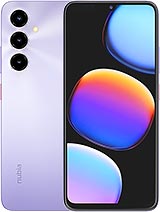
Blade V80 Max

Blade V80 Vita
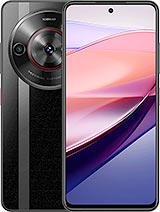
nubia Focus 2
nova Y74