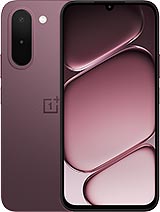
ZTE nubia A76 review
The nubia A76 suits someone buying their first smartphone or needing a second device for basic tasks and long battery life. Anyone expecting a balanced budget phone should look at the €150–170 market, where modern chips, 1080p screens, and faster charging are now the norm.
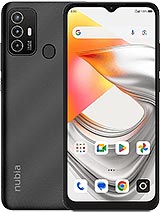
This review is written with AI assistance from ZTE’s published specifications and public benchmark data for the ZTE nubia A76, and the rating is spec-based. GoSolo does not physically test devices; where we estimate real-world behaviour such as battery life or charge time, we say so. How we rate phones.
Overview
The ZTE nubia A76 is a straightforward budget phone with a spacious 6.5-inch display and a 5000 mAh battery, built for users who prioritise screen real estate and longevity over performance. At around €100, it is honest about what it is: a modest device for light work and media consumption, held back by a four-year-old chipset and harsh display resolution that makes scrolling feel grainy.
Design & build
The nubia A76 feels genuinely light for its size at 191 grams and thins out to 9mm, making it pocketable despite the large frame. The mixed build—glass front, plastic frame and back—is standard for €100, and the seams sit flush. One oddity: there is no mention of water resistance or Gorilla Glass, so assume neither. The rear fingerprint sensor is tactile and responsive. All told, it is a clean, no-nonsense industrial design that avoids false promises; you get what you pay for.
Display
The 6.5-inch IPS LCD is big enough to matter for video and text, but the 720 × 1600 resolution at 270 ppi is the phone's largest misstep. Text is readable, but edges are noticeably soft, and scrolling through lists betrays a graininess that rivals at this price point stopped tolerating years ago. IPS LCD colours are warm and safe rather than vivid, which suits everyday use but feels dated next to the 1080p AMOLED and IPS panels competitors now offer around €120–150. The 20:9 aspect ratio is useful for tall screenshots and one-handed reach, but it does not compensate for the low pixel density.
Performance
The Snapdragon 662 shipped in 2020 and it shows. Paired with 4GB RAM, it handles Gmail, WhatsApp, and light web browsing without stuttering, but opening a second app or switching between a dozen tabs is noticeably slower than current midrange rivals. Launching Maps or a moderately complex app incurs a visible delay. Gaming is barely worth mentioning—even casual 3D games tank to low frame rates. For scrolling, email, and calling, it is adequate. For anything more demanding, you will feel the age. The Adreno 610 GPU is simply outclassed by modern entry-level chips.
Software
Android 15 is current and should receive security updates for at least another 12 months, which is fair for the price. The software side is clean: no bloatware beyond standard ZTE additions. App compatibility is solid, but the OS ceiling is a concern. With just 4GB RAM and a slow chipset, memory management becomes visible after six months of use, and heavier apps may re-load when you switch away. For a €100 phone in 2026, you are not promised years of OS upgrades, and this one meets expectations.
Camera
The 13MP main camera with a 2MP auxiliary sensor is basic. Shots in daylight are serviceable—colours are flat but present, detail is soft, and noise creeps in shadows. The LED flash is more useful than most at this price, and HDR does pull a bit more from bright skies, though it feels mechanical. 1080p video at 30fps is jerky panning and colours shift when you pan outdoors. The 8MP selfie is acceptable for video calls and casual shots, nothing more. Do not expect consistent focus or rich dynamic range. This is a camera that works, not one you will enjoy using.
Battery & charging
The 5000 mAh battery is the phone's strongest feature. Real-world endurance is 1.5 to 2 days of mixed use—texts, calls, light browsing, and video—without feeling like you are babying it. The capacity is also future-proof within reason; even at year three, degradation will leave a usable all-day phone. However, 10W charging is brutal. A full charge from empty takes about 3.5 to 4 hours, and rivals at this price now include 18–22W chargers standard. It is a sacrifice that feels unnecessary even at budget, a point where ZTE pinched pennies.
Value & verdict-context
At €100, the nubia A76 occupies a tight space. The €150–180 tier now offers significantly better screens, faster chips, and faster charging; jumping to €200 brings you into modern midrange. Against strict peers at €80–100, it wins on battery size and screen real estate, but loses on display quality and charge speed. For a user who keeps a phone three years, ignores gaming, and values screen-on time above all, the large battery and roomy screen make sense. For anyone who scrolls daily, plays games, or charges on the go, the low resolution, slow processor, and glacial charging will annoy within weeks.
Verdict
The nubia A76 suits someone buying their first smartphone or needing a second device for basic tasks and long battery life. Anyone expecting a balanced budget phone should look at the €150–170 market, where modern chips, 1080p screens, and faster charging are now the norm.
- 5000 mAh battery runs about 1.5 to 2 days of typical use without fussing over charge cycles
- Large 6.5-inch screen with 81.8% screen-to-body ratio is roomy for messaging and video without taking up much pocket space
- microSDXC expansion and 4GB RAM paired with entry-level Snapdragon 662 strikes a working balance for basic Android tasks
- Android 15 keeps it reasonably current for software patches and core app compatibility
- 270 ppi 720p display on a 6.5-inch panel is visibly pixelated—rivals at this price now start at 1080p
- Snapdragon 662 from 2020 shows its age in app load times and multitasking, no game performance to speak of
- Only 10W charging speed is the slowest in its class; most peers do 18–22W minimum
ZTE nubia A76 Key Specifications
The essentials at a glance. See the full spec sheet.
| Released | 2026, February |
|---|---|
| Display | 6.5 inches, 102.0 cm2 (~81.8% screen-to-body ratio), IPS LCD |
| Resolution | 720 x 1600 pixels, 20:9 ratio (~270 ppi density) |
| Chipset | Qualcomm SM6115 Snapdragon 662 (11 nm) |
| RAM & storage | 64GB 4GB RAM |
| Main camera | 13 MP 2 MP Auxiliary lens |
| Selfie camera | 8 MP |
| Battery | 5000 mAh |
| Software | Android 15 |
| Dimensions | 164 x 76 x 9 mm (6.46 x 2.99 x 0.35 in) |
| Weight | 191 g (6.74 oz) |
| Build | Glass front, plastic frame, plastic back |
| Network | GSM / HSPA / LTE |
| NFC | No |
| USB | USB Type-C 2.0 |
ZTE nubia A76 FAQ
Common questions, answered from the spec sheet.
Does the nubia A76 support 5G?
No. The nubia A76 tops out at GSM / HSPA / LTE, without 5G.
What chipset does the nubia A76 use?
The nubia A76 runs on the Qualcomm SM6115 Snapdragon 662 (11 nm).
What display does the nubia A76 have?
A 6.5 inches, 102.0 cm2 (~81.8% screen-to-body ratio) IPS LCD, 720 x 1600 pixels, 20:9 ratio (~270 ppi density).
How big is the nubia A76 battery?
The nubia A76 has a 5000 mAh battery.
Does the nubia A76 have NFC?
No, the nubia A76 does not list NFC support.
Does the nubia A76 support a microSD card?
Yes, the nubia A76 supports expandable storage (microSDXC).
Alternatives to consider
If the nubia A76 isn’t quite right, these are the closest calls.
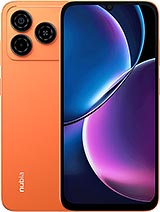
nubia A57
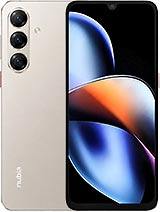
nubia A77 4G
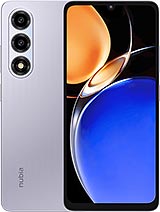
nubia A77
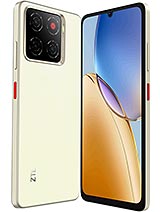
Blade A56
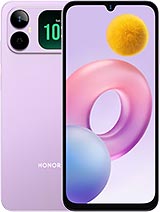
Play20A