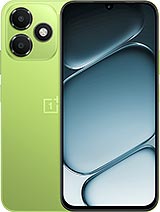
ZTE nubia A77 4G review
The nubia A77 suits someone on a tight budget who prioritizes battery endurance and does not use demanding apps or play games. Anyone else at this price should cross-shop competitors with 1080p displays and stronger chipsets; the display alone is a reason to look elsewhere unless battery life is your singular concern.
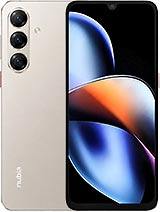
This review is written with AI assistance from ZTE’s published specifications and public benchmark data for the ZTE nubia A77 4G, and the rating is spec-based. GoSolo does not physically test devices; where we estimate real-world behaviour such as battery life or charge time, we say so. How we rate phones.
Overview
The nubia A77 is a straightforward budget phone that trades performance and screen clarity for a capacious battery and reasonable build. At 160 EUR, it delivers a usable daily driver for light tasks and media, but the 256 ppi display and entry-level Unisoc chipset show its modest place in the market.
Design & build
The nubia A77 is thin and light for its screen size, and the 8mm profile feels reasonably solid in hand. Glass front with a plastic frame and back is the expected layup for 160 EUR, and it looks more grown-up than all-plastic competitors. The IP64 rating (dust tight, splash resistant) is a real plus—many budget phones skip any protection at all. Dual nano-SIM means flexibility for regional travelers or dual-carrier users. Build quality appears average, neither flimsy nor exceptional, and the phone should handle the sort of light bumps and spills that define real-world use without drama.
Display
This is where the A77 shows its cost. A 720 x 1570 resolution on a 6.75-inch IPS screen produces just 256 ppi, which is soft by 2026 standards. Text, icons, and web pages lack the sharpness that even budget mid-rangers now offer at 1080p. The 120Hz refresh rate and 740-nit brightness are decent specs on paper, but they cannot overcome the pixel-per-inch deficit—the screen remains the phone's most visible shortcoming. Colors are adequate and viewing angles typical of IPS. If you are planning to spend hours reading or scrolling social media, this display will feel grainy.
Performance
The Unisoc T7250 is an entry-level chip, plain and simple. Everyday tasks—messaging, calling, light browsing, maps—run without friction. But opening a photo gallery with hundreds of images, gaming, or running heavy apps will stall noticeably. The Mali-G57 MP1 GPU cannot handle any modern games beyond the simplest 2D titles. Pairing this with only 4GB of RAM compounds the problem; the OS will aggressively close background apps, making multitasking genuinely annoying. At 160 EUR this is expected, but buyers stepping up from a much older phone may feel the gap. The Android 16 OS is recent and should receive reasonable support for a few years, but the hardware ceiling limits what software can accomplish.
Software
The phone ships with Android 16, which is current for 2026 and should receive at least two or three years of security patches from ZTE. There is no mention of a custom skin, suggesting a closer-to-stock experience. For a budget release, that is welcome—less bloatware and fewer performance drains. The side-mounted fingerprint sensor integrates naturally into the frame and is fast enough for unlocking. Overall, software feels straightforward and uncluttered, which partly compensates for the modest hardware.
Camera
The 50MP main sensor with f/1.8 aperture and PDAF is respectable for the price. In bright daylight, it captures sharp, well-exposed shots with decent color rendition. HDR and panorama modes work as expected. The real-world output is competitive with other 160 EUR phones, though do not expect the fine detail or low-light performance of phones 100 EUR higher. Video is capped at 1080p@30fps, which is standard but not exciting—no 4K, no stabilization mentioned. The 8MP selfie camera handles basic video calls and social media photos, nothing more. Night photography is its weak point; the f/1.8 aperture helps but cannot overcome the sensor's small size and the chipset's limited ISP prowess.
Battery & charging
A 5000 mAh battery is genuinely impressive at this price and should deliver a full day or more of moderate to heavy use. The 23W charging speed is about average for a budget 2026 phone—not fast, but not glacial either. Real-world charge time from empty to full is likely in the 60–90 minute range. The battery is a key selling point; if you value longevity over speed-to-full, the A77 will reward you. For users in regions with sporadic power access, this is a meaningful advantage.
Value & verdict
At 160 EUR, the nubia A77 occupies an awkward middle ground. Its battery and build are legitimately good for the money, but the 256 ppi display and modest performance make it feel dated next to rivals that have pushed specifications higher in the same price band. It is not a bad phone, but it asks you to accept too many rough edges—soft text, stuttery apps, only 4GB RAM—for the savings it offers over more balanced competitors. The phone works best for a light user who values battery life over everything else and does not mind occasionally waiting for apps to open.
Verdict
The nubia A77 suits someone on a tight budget who prioritizes battery endurance and does not use demanding apps or play games. Anyone else at this price should cross-shop competitors with 1080p displays and stronger chipsets; the display alone is a reason to look elsewhere unless battery life is your singular concern.
- 5000 mAh battery should comfortably last a full day even with mixed use, a genuine advantage in its price tier.
- 50MP main camera with f/1.8 aperture and PDAF handles daylight shooting decently for the money.
- 8.0 mm thickness and 193g weight keep the phone reasonably pocketable for its 6.75-inch screen.
- IP64 rating gives actual dust and splash protection, rare at this price point.
- 720p resolution on a 6.75-inch screen yields only 256 ppi—text and icons look noticeably soft compared to budget rivals that have standardized 1080p.
- Unisoc T7250 is entry-level even by 2026 standards; expect stutters in demanding apps and games, though everyday tasks remain manageable.
- Only 4GB RAM is skimpy; multitasking and app switching will feel sluggish, a constraint buyers at this price are increasingly unwilling to accept.
ZTE nubia A77 4G Key Specifications
The essentials at a glance. See the full spec sheet.
| Released | 2026, July 30 |
|---|---|
| Display | 6.75 inches, 111.4 cm2, IPS LCD, 120Hz, 740 nits |
| Resolution | 720 x 1570 pixels, 19.5:9 ratio (~256 ppi density) |
| Chipset | Unisoc T7250 (12 nm) |
| RAM & storage | 128GB 4GB RAM |
| Main camera | 50 MP, f/1.8, (wide), PDAF Auxiliary lenses |
| Selfie camera | 8 MP |
| Battery | 5000 mAh |
| Software | Android 16 |
| Dimensions | 8.0 mm thickness |
| Weight | 193 g (6.81 oz) |
| Build | Glass front, plastic frame, plastic back |
| Durability | IP64 dust tight and water resistant (water splashes) |
| Network | GSM / HSPA / LTE |
| NFC | No |
| USB | USB Type-C 2.0 |
ZTE nubia A77 4G FAQ
Common questions, answered from the spec sheet.
Does the nubia A77 4G support 5G?
No. The nubia A77 4G tops out at GSM / HSPA / LTE, without 5G.
What chipset does the nubia A77 4G use?
The nubia A77 4G runs on the Unisoc T7250 (12 nm).
What display does the nubia A77 4G have?
A 6.75 inches, 111.4 cm2 IPS LCD, 120Hz, 740 nits, 720 x 1570 pixels, 19.5:9 ratio (~256 ppi density).
How big is the nubia A77 4G battery?
The nubia A77 4G has a 5000 mAh battery.
Does the nubia A77 4G have NFC?
No, the nubia A77 4G does not list NFC support.
Is the nubia A77 4G water resistant?
The nubia A77 4G carries a IP64 dust tight and water resistant (water splashes) rating.
Does the nubia A77 4G support a microSD card?
Yes, the nubia A77 4G supports expandable storage (microSDXC).
Alternatives to consider
If the nubia A77 4G isn’t quite right, these are the closest calls.
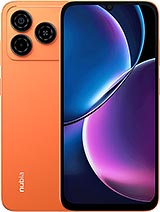
nubia A57
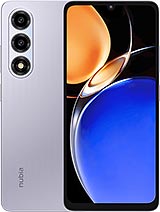
nubia A77
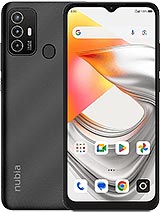
nubia A76
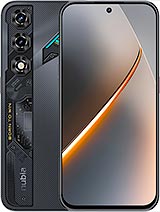
nubia Neo 5
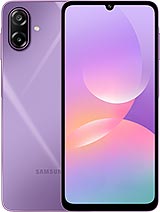
Galaxy M17e