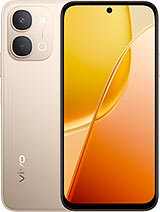
ZTE nubia Air review
The nubia Air is for someone whose phone spends time on a job site, in a workshop, or outdoors and who values durability and endurance over raw power. Everyday users and content creators should look at mid-range alternatives with better video and more processing headroom.
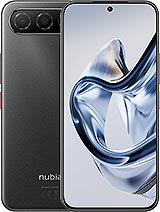
This review is based on ZTE’s published specifications and public benchmark data for the ZTE nubia Air, and the rating is spec-based. GoSolo does not physically test devices; where we estimate real-world behaviour such as battery life or charge time, we say so. How we rate phones.
Overview
The nubia Air is a rugged, five-inch-plus AMOLED phone that trades raw power for durability, battery life, and a genuinely bright screen—a solid choice for outdoor work or field use at under €190, though its entry-level chip and 1080p video cap it for everyday power users.
Design & build
At 164.2mm tall, 76.6mm wide, and just 6.7mm thick, the nubia Air is notably slim for its 6.78-inch frame. The 172g weight keeps it light enough not to fatigue your hand during a long work day. The standout here is the IP68/IP69K rating—dust-tight, submersible to 1.5 meters for half an hour, and tough enough for high-pressure water jets. That durability is rare below €200 and marks this as a phone for field crews, outdoor photographers, or anyone working in wet or dusty conditions. Gorilla Glass 7i handles drops and scratches decently, though Mohs level 5 is standard, not exceptional, these days.
Display
The 6.78-inch AMOLED panel runs at 120Hz and hits 4500 nits peak brightness—a genuinely useful spec if you spend time outdoors. At that brightness level, sunlight legibility is excellent, and the 1224×2720 resolution (440 ppi) stays sharp at arm's length. The 20:9 aspect ratio and 88.2% screen-to-body ratio mean you get a lot of display without a lot of bezel. This is not a flagship screen, but it is a working screen that won't force you into a corner on a building site or a boat.
Performance
The Unisoc T8300 is an entry-level chip from 2024, paired with 8GB RAM and Mali-G57 graphics. It handles email, messaging, maps, and everyday browsing without hiccups. Social media and casual apps run smoothly. But demanding games, heavy video editing, or sustained multitasking will reveal its limits—expect frame drops and occasional lag. It is enough for a field tool or a second phone, but anyone coming from a mid-range processor will notice the step down. For the price and intended use case (outdoor durability over gaming), it strikes the right balance.
Software
Android 15 ships fresh out of the box. No bloat beyond what ZTE considers essential, and the interface is clean. Update promise or timeline is unstated, so assume security patches will lag behind flagship schedules. That said, there is no reason the software will disappoint day-to-day; it just won't be as polished or as long-supported as pricier rivals.
Camera
The 50MP main sensor with f/1.6 aperture and phase-detection autofocus captures good detail in daylight and performs decently in low light thanks to the wide aperture. The 20MP selfie camera is adequate for calls and social posts. The real limitation is video: capped at 1080p@30fps, there is no 4K option. At this price in 2025, rivals increasingly offer 4K at 30fps as standard. If video is secondary to your use case—say, site documentation or travel snapshots—the 50MP stills will serve you fine. But if you need smooth, high-res video, this falls short.
Battery & charging
The 5000mAh battery paired with entry-level processing delivers about one full day of moderate screen time, or stretch to a day and a half if you stay mostly offline. That is solid endurance. The 33W wired charger fills the battery in roughly 60 to 90 minutes, which is fast enough for a lunch break or overnight top-up but not exceptional against rivals pushing 66–100W at similar prices. USB Type-C and no wireless charging are expected at this price tier.
Value & verdict
At €188, the nubia Air is priced for value, not performance. It sells itself on durability—the IP68/IP69K rating and bright, tough screen are the real story. The Unisoc chipset and 1080p video cap are trade-offs, but deliberate ones: this phone is built for outdoor use, not gaming or content creation. For a construction worker, a kayaker, a farmer, or anyone who needs a phone that survives rain, dust, and rough handling, the combination of durability, battery life, and a legible display makes sense. If you need a gaming phone, fast video, or flagship polish, look elsewhere. If you need a phone that works outdoors and won't break the bank, this fits.
Verdict
The nubia Air is for someone whose phone spends time on a job site, in a workshop, or outdoors and who values durability and endurance over raw power. Everyday users and content creators should look at mid-range alternatives with better video and more processing headroom.
- 120Hz AMOLED at 4500-nit peak brightness—genuinely legible in direct sunlight and sharp at 440 ppi
- IP68/IP69K rating with high-pressure water resistance means it survives job-site conditions and saltwater splashes that kill most phones
- 5000mAh battery stretches to a full day-plus on moderate use, and 33W charging refills it in under 90 minutes
- Slim 6.7mm profile and 172g weight for a 6.78-inch phone make it pocketable despite the large screen
- Unisoc T8300 is entry-level silicon; demanding apps, games, and multitasking will show lag or frame drops
- 50MP main camera captures daylight detail but video maxes at 1080p@30fps—no 4K option, which rivals at this price now include
- No microSD expansion on 256GB storage limits flexibility if you shoot much video or fill it with media
ZTE nubia Air Key Specifications
The essentials at a glance. See the full spec sheet.
| Released | 2025, September 05 |
|---|---|
| Display | 6.78 inches, 111.0 cm2 (~88.2% screen-to-body ratio), AMOLED, 120Hz, 4500 nits (peak) |
| Resolution | 1224 x 2720 pixels, 20:9 ratio (~440 ppi density) |
| Chipset | Unisoc T8300 (6 nm) |
| RAM & storage | 256GB 8GB RAM |
| Main camera | 50 MP, f/1.6, (wide), PDAF Auxiliary lenses |
| Selfie camera | 20 MP |
| Battery | 5000 mAh |
| Charging | 33W wired |
| Software | Android 15 |
| Dimensions | 164.2 x 76.6 x 6.7 mm (6.46 x 3.02 x 0.26 in) |
| Weight | 172 g (6.07 oz) |
| Durability | IP68/IP69K dust tight and water resistant (high pressure water jets; immersible up to 1.5m for 30 min) |
| Network | GSM / HSPA / LTE / 5G |
| NFC | Yes |
| USB | USB Type-C 2.0 |
ZTE nubia Air FAQ
Common questions, answered from the spec sheet.
Does the nubia Air support 5G?
Yes. The nubia Air supports 5G networks.
What chipset does the nubia Air use?
The nubia Air runs on the Unisoc T8300 (6 nm).
What display does the nubia Air have?
A 6.78 inches, 111.0 cm2 (~88.2% screen-to-body ratio) AMOLED, 120Hz, 4500 nits (peak), 1224 x 2720 pixels, 20:9 ratio (~440 ppi density).
How big is the nubia Air battery?
The nubia Air has a 5000 mAh battery. Charging is rated at 33W wired.
Does the nubia Air have NFC?
Yes, the nubia Air has NFC.
Is the nubia Air water resistant?
The nubia Air carries a IP68/IP69K dust tight and water resistant (high pressure water jets; immersible up to 1.5m for 30 min) rating.
Does the nubia Air support a microSD card?
No, the nubia Air does not support expandable storage.
Does the nubia Air have a headphone jack?
No, the nubia Air does not have a 3.5mm headphone jack.
Alternatives to consider
If the nubia Air isn’t quite right, these are the closest calls.
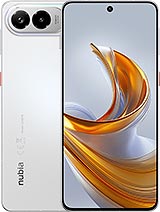
nubia Air Pro
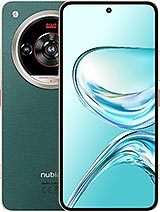
nubia Focus 2 Ultra
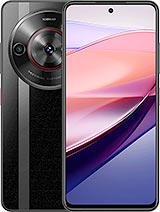
nubia Focus 2
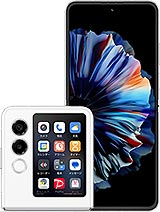
nubia Flip2
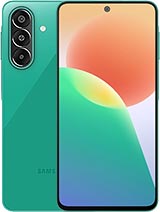
Galaxy F70 Pro