ZTE nubia Neo review
The nubia Neo suits someone in a 5G area who watches videos and reads on their phone more than they game or shoot video, and has a strict budget. Anyone else should spend a bit more and get a faster processor and better camera setup.
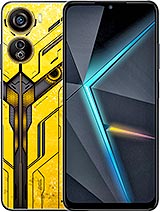
This review is based on ZTE’s published specifications and public benchmark data for the ZTE nubia Neo, and the rating is spec-based. GoSolo does not physically test devices; where we estimate real-world behaviour such as battery life or charge time, we say so. How we rate phones.
Overview
The nubia Neo is a budget 5G phone with a large 6.6-inch 120Hz screen and all-day battery, held back by a weak processor and minimal camera features. It suits cost-conscious buyers in 5G areas who prioritize screen real estate over performance, but anyone planning to game or shoot video should look elsewhere.
Design & build
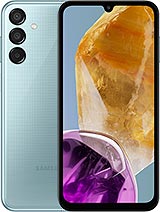
At 192 grams and 8 mm thick, the Neo feels light and pocketable for a 6.6-incher. The build material isn't detailed, but the form factor suits everyday carry. Side-mounted fingerprint is straightforward and responsive. No surprises here—it's a competent, unremarkable chassis that does the job without pretence. The dual nano-SIM setup gives flexibility for regional users.
Display
The 6.6-inch 120Hz IPS LCD is the phone's main draw. At 1080 x 2408 pixels (400 ppi), text stays readable and scrolling is visibly smoother than a 60Hz rival. The 20:9 aspect ratio and 85.5% screen-to-body ratio mean more usable space with minimal bezels. Colours are muted compared to OLED, and you'll spot pixelation if you hold it close, but for browsing, reading, and casual video the panel is bright enough and engaging. For the price, this screen justifies the purchase alone.
Performance
The Unisoc T820 is the phone's weak point. This mid-range 2022 processor was already outdated at launch in mid-2023, and by 2026 it shows its age. The Mali-G57 GPU and octa-core layout handle everyday apps, messaging, and light browsing without drama, but heavier games will stutter, and multitasking feels choppy under sustained load. Video editing, photo processing, and anything demanding lags. For someone who browses, streams, and messages—a budget buyer's typical use—it's liveable. Anyone expecting smooth gaming or app-switching should walk away.
Software
Android 13 at launch is respectable, though by now (2026) the phone is at least two Android generations behind and unlikely to see meaningful updates. The Unisoc chip also means limited third-party ROM support, so you're tied to ZTE's firmware. Bloatware level is typical for a ZTE budget phone—tolerable but not clean. No major complaints here, but software longevity is a known weakness of the platform.
Camera
The 50MP f/1.8 main sensor with PDAF and LED flash sounds promising but delivers mixed results. The wide aperture and autofocus handle indoor and low-light scenes reasonably well, and the 26mm focal length is familiar. However, you're locked to 1080p video recording—no 4K, no high-frame-rate options. The 8MP selfie does its job for calls and casual selfies. The lack of ultra-wide, telephoto, or macro modes means you have no creative flexibility; it's a one-trick shooter. For a budget phone it's adequate, but rivals in the same price band now offer multi-camera setups and 4K video.
Battery & charging
The 4500 mAh battery reaches a full day on moderate use—browsing, messaging, some video—but heavy screen-on time drains it by evening. That's typical for the capacity and typical for this price. The 22.5W charging is where it stumbles. Rivals at €180 offer 30W to 65W, so full charge takes noticeably longer here—roughly 50–70 minutes depending on the charger. For a phone you rely on daily, that's a minor but real inconvenience. At least there's a 3.5mm jack and loudspeaker, so audio flexibility is better than flagship norms.
Value & verdict-context
At €180, the Neo competes with mid-range phones from Xiaomi, Poco, and Realme that offer faster chips, better cameras, and swifter charging. The main advantage is 5G—a rarity at this price in 2023, though by 2026 it's becoming standard even in the budget tier. The large 120Hz display and light build are solid, but the Unisoc T820 is showing its years. If 5G coverage exists where you live and you need a big screen for content consumption, the Neo makes sense. If you value snappy performance, good video recording, or modern features, the €20–30 extra on a Poco or Redmi gets you a noticeably better phone. This is a device for the patient, budget-conscious buyer in a 5G area who doesn't game.
Verdict
The nubia Neo suits someone in a 5G area who watches videos and reads on their phone more than they game or shoot video, and has a strict budget. Anyone else should spend a bit more and get a faster processor and better camera setup.
- Large 6.6-inch 120Hz IPS display with decent brightness and 85.5% screen-to-body ratio makes scrolling and video smooth
- 5G connectivity (SA/NSA) gives future-proofing for the price—few rivals in this bracket offer it
- 4500 mAh battery reaches a full day on moderate use; 22.5W charging won't leave you stranded for hours
- Slim 8 mm build and 192g weight feel comfortable for a 6.6-incher; side-mounted fingerprint is reliable
- Unisoc T820 is entry-level in 2023 and already dated by 2026; stuttering in demanding apps and games is common
- 22.5W charging is slower than the 30W+ standard at this price, adding wait time
- 50MP main camera locked to 1080p video and no zoom; competitive rivals offer 4K and ultra-wide lenses
ZTE nubia Neo Key Specifications
The essentials at a glance. See the full spec sheet.
| Released | 2023, June |
|---|---|
| Display | 6.6 inches, 104.9 cm2 (~85.5% screen-to-body ratio), IPS LCD, 120Hz |
| Resolution | 1080 x 2408 pixels, 20:9 ratio (~400 ppi density) |
| Chipset | Unisoc T820 (6 nm) |
| RAM & storage | 256GB 8GB RAM |
| Main camera | 50 MP, f/1.8, 26mm (wide), PDAF Auxiliary lens |
| Selfie camera | 8 MP, f/2.0, (wide) |
| Battery | 4500 mAh |
| Charging | 22.5W wired |
| Software | Android 13 |
| Dimensions | 163.7 x 75 x 8 mm (6.44 x 2.95 x 0.31 in) |
| Weight | 192 g (6.77 oz) |
| Network | GSM / HSPA / LTE / 5G |
| NFC | Yes |
| USB | USB Type-C 2.0, OTG |
ZTE nubia Neo FAQ
Common questions, answered from the spec sheet.
Does the nubia Neo support 5G?
Yes. The nubia Neo supports 5G networks.
What chipset does the nubia Neo use?
The nubia Neo runs on the Unisoc T820 (6 nm).
What display does the nubia Neo have?
A 6.6 inches, 104.9 cm2 (~85.5% screen-to-body ratio) IPS LCD, 120Hz, 1080 x 2408 pixels, 20:9 ratio (~400 ppi density).
How big is the nubia Neo battery?
The nubia Neo has a 4500 mAh battery. Charging is rated at 22.5W wired.
Does the nubia Neo have NFC?
Yes, the nubia Neo has NFC.
Does the nubia Neo support a microSD card?
Yes, the nubia Neo supports expandable storage (Unspecified).
Does the nubia Neo have a headphone jack?
Yes, the nubia Neo has a 3.5mm headphone jack.
Alternatives to consider
If the nubia Neo isn’t quite right, these are the closest calls.
nubia Neo 2
nubia Focus
nubia Focus Pro

Blade V40
Galaxy M15 5G