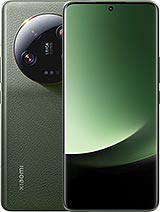
ZTE nubia Z60 Ultra review
The Z60 Ultra is best for photographers and creators who prioritize the telephoto zoom, stable video recording, and all-day battery over software longevity and brand resale. Skip it if you value predictable OS updates, prefer a less niche ecosystem, or dislike tall aspect ratios on phones.
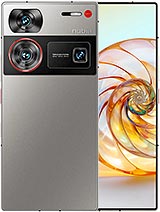
This review is based on ZTE’s published specifications and public benchmark data for the ZTE nubia Z60 Ultra, and the rating is spec-based. GoSolo does not physically test devices; where we estimate real-world behaviour such as battery life or charge time, we say so. How we rate phones.
Overview
The nubia Z60 Ultra is a 2023 Chinese flagship with a tall AMOLED screen, capable triple-camera system, and Snapdragon 8 Gen 3 that justifies its mid-flagship price around 460 EUR. It's aimed at photography enthusiasts and content makers who value the periscope zoom, all-day battery, and smooth 120Hz display over brand prestige.
Design & build
At 246 grams and 8.8 mm thick, the Z60 Ultra is light and slim for its 6.8-inch size, helped by the aluminum frame and glass sandwich. The footprint stays manageable in one hand despite the tall aspect ratio. IP68 certification covers dust and submersion to 1.5 meters for 30 minutes, so accidental pool drops are safe. The aluminum frame is a double-edged choice: it looks refined and feels solid but scratches visibly in daily carry, unlike stainless steel rivals. Build quality is flagship-grade, though the design itself is corporate and unremarkable compared to the visual flair some Chinese rivals achieve.
Display
The 6.8-inch AMOLED is tall (20:9 aspect ratio, 1116 × 2480) and thin-bezeled (89.1% screen-to-body), making it ideal for video editing or stills review on the go. At 400 ppi, pixel density is sharp enough for close viewing. The 120Hz refresh and 1500 nits peak brightness matter here: scrolling and gaming feel smooth, and outdoor visibility is excellent even in direct sun—a real strength for a photographer who checks shots in daylight. Colors are punchy out of the box. The main trade is that the tall, narrow format is awkward for web browsing and gaming in landscape unless you enjoy pillarboxing.
Performance
The Snapdragon 8 Gen 3 is current-generation flagship silicon and shows it. Gaming (Genshin Impact, Call of Duty Mobile) runs at high settings and 60+ fps without stutter. Multitasking is seamless, and app launch times are instant. Crucially for content creators, 4K 120fps video recording and 8K 30fps are real and stable—no frame drops mid-take. AnTuTu scores around 2.09 million, placing it at the top tier for 2023–2024 devices. You are not paying flagship dollars for this performance; that is the win. No thermal issues in sustained use.
Camera
The triple setup is the phone's calling card. The 50MP main (f/1.6, 35mm equivalent, 1/1.49-inch sensor) is genuinely bright and grabs detail in daylight; OIS steadies hand-held video. The 64MP periscope (85mm equivalent, 3.3x optical zoom, f/3.3) is the standout—it handles distant subjects (architecture, wildlife crops) without digital interpolation and keeps sharpness at arm's length zoom better than most sub-1000 EUR phones. The 50MP ultrawide (18mm, 100°, f/1.8) fits group shots and landscapes without the fisheye distortion of cheaper alternatives. Low-light performance is respectable across all three thanks to the large main sensor and OIS, though it's not class-leading; you'll still see noise above ISO 3200 in stills. Video is exceptionally strong: 10-bit HDR recording, 4K at 120fps, gyro-EIS, and laser autofocus make handheld cinema easy. The laser autofocus and color spectrum sensor are niche touches that work well but don't revolutionize everyday shooting. The underside selfie camera (12MP on international, 16MP on China model) is functional for video calls but not a creative tool.
Battery & charging
The 6000 mAh cell delivers a full day on medium to heavy use—roughly 6–8 hours screen-on time for video, messaging, and social media gets you home without topping up. Light users can stretch it to 1.5 days. The 80W wired charging refills the battery in about 40–50 minutes flat, which is fast but no longer exceptional at this price point; rivals now standard 100W+, shaving 10–15 minutes off the total. There is no wireless charging, a minor omission for a 460 EUR phone in 2024. Overnight charging from empty takes a single session, so practical charging workflow is simple.
Software
Android 14 runs under ZTE's MyOS 14 overlay. MyOS is light compared to MIUI or ColorOS—it adds custom icons and system fonts but doesn't bloat with unnecessary apps. Updates are slower and less frequent than Samsung or Google's mainline, a known weakness of ZTE globally; security patches arrive quarterly to semi-annually depending on region, which is a concern if you live outside China. The gesture controls are customizable and responsive. Overall, software is solid but not differentiated, and long-term support is a question mark for anyone planning to keep the phone beyond 2–3 years.
Value & verdict
At roughly 460 EUR, the Z60 Ultra punches above its price. You get a flagship chipset, solid build, and—most importantly—a camera system designed for serious composition (periscope zoom, tall frame for stills work, robust video). The 6000 mAh battery and fast 80W charging mean you won't babysit the charger. For photographers, videographers, and anyone who values zoom range and all-day stamina over brand prestige, it is a rational choice. Downsides are real though: MyOS updates are glacial, the aluminum frame marks easily, and there is no storage expansion if your first choice proves tight. The lack of a 5-year outlook on software support is also a factor in markets where warranty and repair access are spotty. Resale value will be softer than a Samsung Galaxy, especially outside Asia.
Verdict
The Z60 Ultra is best for photographers and creators who prioritize the telephoto zoom, stable video recording, and all-day battery over software longevity and brand resale. Skip it if you value predictable OS updates, prefer a less niche ecosystem, or dislike tall aspect ratios on phones.
- Versatile three-lens setup: 50MP main with f/1.6, 3.3x optical telephoto, and 50MP ultrawide with PDAF and OIS on all three—genuine zoom without crop loss at 85mm
- Tall 6.8-inch AMOLED with 1500 nits peak brightness and 120Hz refresh, readable in sunlight and visually composed for cinema or stills work
- 6000 mAh battery lasts a full day on mixed use; 80W charging refills in roughly 40–50 minutes
- Snapdragon 8 Gen 3 handles 4K 120fps video recording and heavy gaming without throttle
- No microSD slot on any variant forces you to pick storage size upfront; the 1TB base option is expensive if you don't need it
- Relatively niche brand in many regions means software support uncertainty and harder resale compared to Samsung or Apple
- 80W charging is adequate but rivals at this price now offer 100W+, adding 10–15 minutes to typical fill times
ZTE nubia Z60 Ultra Key Specifications
The essentials at a glance. See the full spec sheet.
| Released | 2023, December 19 |
|---|---|
| Display | 6.8 inches, 111.6 cm2 (~89.1% screen-to-body ratio), AMOLED, 1B colors, 120Hz, HDR10, 1500 nits (peak) |
| Resolution | 1116 x 2480 pixels, 20:9 ratio (~400 ppi density) |
| Chipset | Qualcomm SM8650-AB Snapdragon 8 Gen 3 (4 nm) |
| RAM & storage | 256GB 8GB RAM, 256GB 12GB RAM, 512GB 12GB RAM, 512GB 16GB RAM, 1TB 16GB RAM, 1TB 24GB RAM |
| Main camera | 50 MP, f/1.6, 35mm (standard), 1/1.49", 1.0µm, PDAF, OIS 64 MP, f/3.3, 85mm (periscope telephoto), 1/2.0", PDAF, OIS, 3.3x optical zoom (vs. 26mm cam) 50 MP, f/1.8, 18mm, 100˚ (ultrawide), 1/1.55", PDAF, OIS |
| Selfie camera | 12 MP, under display - International model 16 MP, f/2.0, 26mm (wide), 1/2.8", 1.22µm, under display - China model |
| Battery | 6000 mAh |
| Charging | 80W wired, PD3.0, QC4 |
| Software | Android 14, MyOS 14 |
| Dimensions | 164 x 76.4 x 8.8 mm (6.46 x 3.01 x 0.35 in) |
| Weight | 246 g (8.68 oz) |
| Build | Glass front, aluminum frame, glass back |
| Durability | IP68 dust tight and water resistant (immersible up to 1.5m for 30 min) |
| Network | GSM / CDMA / HSPA / CDMA2000 / LTE / 5G |
| NFC | Yes |
| USB | USB Type-C 3.1, OTG |
ZTE nubia Z60 Ultra FAQ
Common questions, answered from the spec sheet.
Does the nubia Z60 Ultra support 5G?
Yes. The nubia Z60 Ultra supports 5G networks.
What chipset does the nubia Z60 Ultra use?
The nubia Z60 Ultra runs on the Qualcomm SM8650-AB Snapdragon 8 Gen 3 (4 nm).
What display does the nubia Z60 Ultra have?
A 6.8 inches, 111.6 cm2 (~89.1% screen-to-body ratio) AMOLED, 1B colors, 120Hz, HDR10, 1500 nits (peak), 1116 x 2480 pixels, 20:9 ratio (~400 ppi density).
How big is the nubia Z60 Ultra battery?
The nubia Z60 Ultra has a 6000 mAh battery. Charging is rated at 80W wired, PD3.0, QC4.
Does the nubia Z60 Ultra have NFC?
Yes, the nubia Z60 Ultra has NFC.
Is the nubia Z60 Ultra water resistant?
The nubia Z60 Ultra carries a IP68 dust tight and water resistant (immersible up to 1.5m for 30 min) rating.
Does the nubia Z60 Ultra support a microSD card?
No, the nubia Z60 Ultra does not support expandable storage.
Does the nubia Z60 Ultra have a headphone jack?
No, the nubia Z60 Ultra does not have a 3.5mm headphone jack.
Alternatives to consider
If the nubia Z60 Ultra isn’t quite right, these are the closest calls.
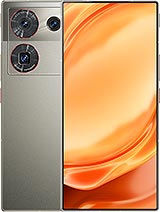
nubia Z50 Ultra
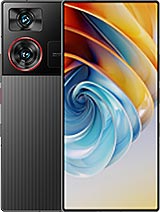
nubia Z60 Ultra Leading
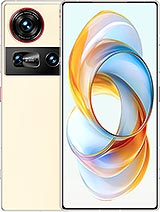
nubia Z70 Ultra
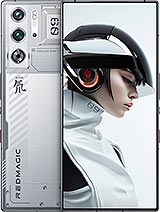
nubia RedMagic 9 Pro+
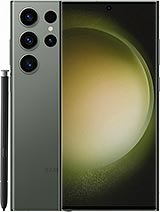
Galaxy S23 Ultra