Alcatel 3 2025 review
This phone suits someone buying their first phone or replacing a very old one, prioritizing long battery life, big screen, and expandable storage for music and videos over performance or picture quality. Anyone accustomed to even an older mid-range phone should look elsewhere; the chip and camera are genuinely weak, and the screen won't impress."
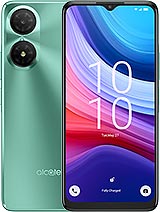
This review is written with AI assistance from Alcatel’s published specifications and public benchmark data for the Alcatel 3 2025, and the rating is spec-based. GoSolo does not physically test devices; where we estimate real-world behaviour such as battery life or charge time, we say so. How we rate phones.
Overview
The Alcatel 3 2025 is a no-frills budget phone for calls, texts, and basic apps, with a roomy 6.52-inch display and a capacious 5010mAh battery that ekes out a full day. The Unisoc chip and low-density screen feel dated even for the entry tier, and the camera is genuinely weak—don't expect it to do anything well except in bright daylight.
Design & build
The Alcatel feels compact and light for its 6.52-inch footprint, helped by the slim 8.8mm frame and 185g weight. Glass front and plastic back are the standard here, and while it won't feel premium in hand, it's not fragile either. The side-mounted fingerprint sensor is fast enough for daily unlock. Build quality is adequate for the price, but don't expect anything to surprise you—this is honest budget construction.
Display
A 6.52-inch IPS LCD with 576 x 1280 resolution spreads across a decent chunk of your hand, but the 215 ppi density makes text and icons noticeably soft when you're holding it at arm's length. The 400 nits brightness is fine indoors or in shade, but direct sunlight washes out the screen, and you'll struggle to read it comfortably outside. The 82.4% screen-to-body ratio is respectable. For a budget phone, this is passable for video or reading at close range, but it's not a screen you'll enjoy for hours.
Performance
The Unisoc SC9863A is an entry-level octa-core chip, and it shows. Basic tasks—calls, messages, simple apps, light browsing—work smoothly enough on Android 15 Go edition. But the moment you multitask, open a heavier app, or try to game, the phone stutters noticeably. App launches take longer than on even mid-range competitors. The 3GB or 4GB RAM doesn't help much; the bottleneck is the chipset itself. If you're doing one thing at a time and have modest expectations, it gets by. Anyone used to faster phones will find it frustrating.
Software
Android 15 Go edition is a lean, lightweight build designed for tight RAM and storage. It serves its purpose: the interface runs without constant freezing and unnecessary features don't bloat the experience. Updates and security patches should follow a predictable schedule, but don't expect years of OS upgrades. Go edition also means some Google features are stripped or scaled down, though most users won't notice.
Camera
The main camera is 8MP in some regions and 13MP in others, neither of which impresses. There's no zoom, a basic f/1.8 aperture, and an LED flash that helps indoors but doesn't save low-light shots. Daytime snapshots in good light are acceptable; anything else—shadows, evening, indoors without flash—comes out grainy and soft. The 5MP selfie is basic, adequate for video calls but not for selfies you'd want to share. Video caps out at 1080p@30fps with no stabilization, so handheld footage looks jittery. This is the phone's weakest area by a significant margin.
Battery & charging
The 5010mAh battery is substantial and pairs well with the modest processor to deliver genuine all-day battery life for typical use—around 14 to 16 hours of mixed messaging, calls, and browsing. Heavy streaming or gaming shrinks that to 6 to 8 hours. The spec sheet doesn't list charging wattage, which is telling; expect a modest charger, likely 10W or less, meaning recharges take an hour or more. For a budget phone aimed at reliability over speed, this isn't a showstopper.
Value & verdict-context
At the entry tier in 2025, the Alcatel 3 trades brightness for battery and screen size. It's not trying to compete with mid-range phones; it's trying to be the cheapest reliable option for essential tasks in emerging markets where expandable storage, dual SIM, and all-day battery matter more than performance or camera quality. It succeeds at that narrow brief. For anyone with higher expectations—anyone who wants to browse comfortably, take decent photos, or enjoy any complexity—this phone is a frustration. There are better options even at the same price if you're willing to sacrifice battery or screen size to get a faster chip and a brighter display.
Verdict
This phone suits someone buying their first phone or replacing a very old one, prioritizing long battery life, big screen, and expandable storage for music and videos over performance or picture quality. Anyone accustomed to even an older mid-range phone should look elsewhere; the chip and camera are genuinely weak, and the screen won't impress."
- Large 6.52-inch screen and 5010mAh battery deliver all-day endurance for light use without needing to charge mid-evening
- MicroSDXC slot and dual SIM flexibility suit buyers in emerging markets who swap carriers or load phones with media
- Android 15 Go edition keeps the system lean and responsive on low RAM, useful if you're juggling only a handful of apps
- Compact at 8.8mm and light at 185g, comfortable to hold for long calls
- Unisoc SC9863A stumbles badly under any real load—multitasking lags, heavy apps and gaming stutter noticeably
- 215 ppi and 400 nits on a 6.52-inch LCD mean text looks soft and the screen washes out in direct sunlight
- 8MP or 13MP main camera has no zoom, struggles in low light, and video is capped at 1080p with no stabilization
Alcatel 3 2025 Key Specifications
The essentials at a glance. See the full spec sheet.
| Released | 2025, May 21 |
|---|---|
| Display | 6.52 inches, 102.6 cm2 (~82.4% screen-to-body ratio), IPS LCD, 400 nits |
| Resolution | 576 x 1280 pixels, 20:9 ratio (~215 ppi density) |
| Chipset | Unisoc SC9863A1 (22 nm) |
| RAM & storage | 64GB 3GB RAM, 128GB 4GB RAM |
| Main camera | 8 MP, f/1.8, (wide), 1/4.0", 1.12µm, AF or 13 MP, AF (region dependent) |
| Selfie camera | 5 MP, f/2.2, (wide), 1/5.0", 1.12µm |
| Battery | 5010 mAh |
| Software | Android 15 (Go edition) |
| Dimensions | 164.4 x 75.8 x 8.8 mm (6.47 x 2.98 x 0.35 in) |
| Weight | 185 g (6.53 oz) |
| Build | Glass front, plastic back, plastic frame |
| Network | GSM / HSPA / LTE |
| NFC | No |
| USB | USB Type-C 2.0, OTG |
Alcatel 3 2025 FAQ
Common questions, answered from the spec sheet.
Does the 3 2025 support 5G?
No. The 3 2025 tops out at GSM / HSPA / LTE, without 5G.
What chipset does the 3 2025 use?
The 3 2025 runs on the Unisoc SC9863A1 (22 nm).
What display does the 3 2025 have?
A 6.52 inches, 102.6 cm2 (~82.4% screen-to-body ratio) IPS LCD, 400 nits, 576 x 1280 pixels, 20:9 ratio (~215 ppi density).
How big is the 3 2025 battery?
The 3 2025 has a 5010 mAh battery.
Does the 3 2025 have NFC?
No, the 3 2025 does not list NFC support.
Does the 3 2025 support a microSD card?
Yes, the 3 2025 supports expandable storage (microSDXC).
Alternatives to consider
If the 3 2025 isn’t quite right, these are the closest calls.

3L 2025
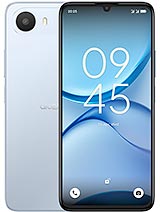
A62
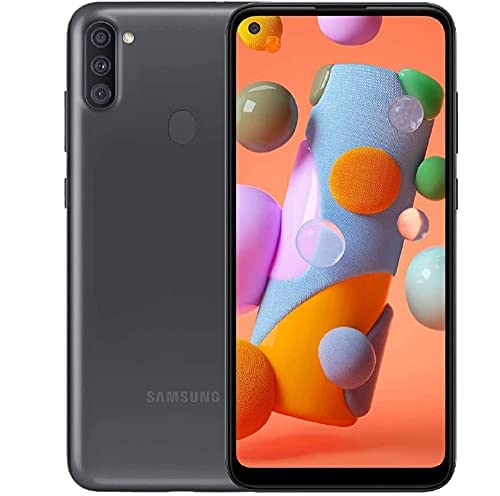
A11

A31 Prime

Play20A