Apple iPhone 12 mini review
The iPhone 12 mini suits someone who genuinely values fitting a phone in a pocket and using it one-handed, accepts that it must charge nightly, and is comfortable with iOS alone. Anyone expecting modern camera range, all-day battery life, or flagship performance should look at a newer iPhone or jump to a larger Android alternative.
This review is written with AI assistance from Apple’s published specifications and public benchmark data for the Apple iPhone 12 mini, and the rating is spec-based. GoSolo does not physically test devices; where we estimate real-world behaviour such as battery life or charge time, we say so. How we rate phones.
Overview
The iPhone 12 mini is a compact OLED phone that trades nearly everything for size—the 2227 mAh battery barely lasts a full day with moderate use, and there is no zoom camera. For someone who actually values pocketability and iOS fluidity over endurance and photography range, it remains a genuinely useful alternative to the standard iPhone 12, not just a gimmick.
Design & build
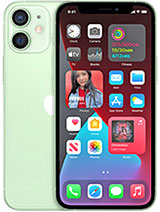
At 5.4 inches and 135 grams, the iPhone 12 mini is a legitimate alternative to the standard iPhone 12, not a downsized novelty. You can pocket it, use it one-handed without thumb gymnastics, and toss it in a bag without noticing the weight. The glass-sandwich construction with aluminum frame feels solid and looks clean, but it is still a fingerprint magnet and prone to small scratches from pocket lint. IP68 water resistance to 6 meters and Ceramic Shield help durability, yet the thinness (7.4 mm) makes it feel fragile in the hand compared to a plastic phone. For someone tired of slab-like flagships, this is the genuine appeal; for others, the compactness is immaterial.
Display
The 5.4-inch Super Retina XDR OLED is a real strength at this size. At 476 ppi, text and images are sharp, and the 625-nit HDR brightness is enough to read outdoors without squinting in strong sunlight. The 1200-nit peak is reserved for HDR video and photos, so everyday app brightness sits at 625 nits, which is adequate but not eye-searing compared to rivals that now hit 2000+ nits. Dolby Vision and HDR10 support enhance Netflix and Apple TV+, though the small screen makes the cinematic experience feel more intimate than immersive. The 19.5:9 aspect ratio creates a taller canvas for scrolling, but the narrow bezels and high screen-to-body ratio (85%) leave little room for a bottom chin.
Performance
The A14 Bionic from 2020 still handles iOS fluency and everyday tasks without lag. AnTuTu scores 589,616, which is respectable but means heavier games like Genshin Impact run at medium settings with frame dips in busy scenes. Video editing in iMovie and streaming are smooth, as are web browsing and social media. The 4 GB of RAM is tight by 2026 standards—app reloading is rare but happens if you bounce between many open apps. For a $164 used phone, the performance is still fit for purpose, though a newer iPhone or even a midrange Android will outpace it in sustained heavy work.
Software
iOS 14.1 out of the box, now upgradable to iOS 26.5, ensures long-term support and security patches. Apple's software longevity is a genuine advantage; this phone will receive OS updates for several more years. However, iOS's closed ecosystem means you cannot sideload apps or customize beyond wallpapers and widgets, which some buyers prefer but others find restrictive. Face ID works well and is faster than many fingerprint sensors, though it fails in full sunlight and requires you to unlock your face each time. The lack of a headphone jack and in-box charger are standard omissions for 2020, but worth noting if you still rely on wired audio.
Camera
The rear setup is a 12 MP f/1.6 wide with optical image stabilization and dual-pixel autofocus, paired with a 12 MP 120-degree ultrawide at f/2.4. The wide lens captures good low-light photos thanks to the fast aperture and OIS, and the ultrawide suits landscapes and group shots. The absence of a telephoto or even a 2x zoom is the main limitation; all zoom is digital and degrades quickly. The 12 MP resolution is enough for social media and prints up to 8x10 inches, but no longer competitive if you want cropped detail from a distance. Video records 4K at up to 60 fps with Dolby Vision HDR (capped at 30 fps), which is respectable, and the front-facing 12 MP camera with SL 3D sensors handles Face ID and selfies adequately. Low-light performance is solid, but daytime saturation feels over-processed compared to rivals that balance detail and natural color.
Battery & charging
The 2227 mAh battery is the phone's biggest weakness. Expect 5 to 6 hours of screen-on time with mixed use; video streaming or gaming drains it in 3–4 hours. A moderate user will charge every evening; a heavy user will need a top-up by mid-afternoon. Apple claims a mixed-use endurance rating of 69 hours, but that translates to roughly 12–16 hours of calendar time between full charges, not screen time. The 15W wired charging via USB-C Lightning reaches 50% in about 30 minutes, then slows significantly for the final 50%, taking 1.5–2 hours to full. 15W MagSafe wireless charging is slower still and best treated as an overnight convenience, not a quick top-up solution. For a compact phone, the battery trade-off is unavoidable, but rivals like the Samsung Galaxy S21 offer better capacity in a similarly sized body.
Value & verdict-context
At $164 used, the iPhone 12 mini is an inexpensive way into Apple's ecosystem or a secondary phone for someone who values pocketability and iOS stability. It is four years old and faces serious age-related disadvantages: the A14 Bionic is now a generation or two behind flagship chips, the battery is worn on used examples, and the single telephoto camera setup makes modern photography feel limited. A new iPhone SE or a slightly newer iPhone 13 or 14 would offer better longevity and performance, but the mini's genuine compactness is absent from Apple's lineup now. For a Global South buyer on a tight budget looking for a working iOS device with a bright screen and timeless design, the used mini is reasonable; for someone expecting flagship capability, the age and battery life are hard sells.
Verdict
The iPhone 12 mini suits someone who genuinely values fitting a phone in a pocket and using it one-handed, accepts that it must charge nightly, and is comfortable with iOS alone. Anyone expecting modern camera range, all-day battery life, or flagship performance should look at a newer iPhone or jump to a larger Android alternative.
- Genuinely pocketable at 131.5 × 64.2 mm and 135 g—the last flagship small enough to use one-handed without strain
- 5.4-inch Super Retina XDR OLED with 625 nits HDR brightness and Ceramic Shield, sharp and readable in daylight
- A14 Bionic and iOS upkeep (now on iOS 26.5) keep it snappy for everyday apps, web browsing, and video streaming well beyond 2020
- f/1.6 wide camera with OIS and 12 MP ultrawide handle decent low-light photography and video without zoom expectations
- 2227 mAh battery delivers only 5–6 hours of screen-on time; you will need a charge every evening on moderate use or by mid-afternoon if you video or game
- No telephoto camera means all zoom is digital; ultrawide-only variety limits composition options compared to iPhones with 2–3x optical zoom
- 15W wired charging takes 1.5–2 hours to full, and the final 50% crawls; wireless is even slower
Apple iPhone 12 mini Key Specifications
The essentials at a glance. See the full spec sheet.
| Released | 2020, October 13 |
|---|---|
| Display | 5.4 inches, 71.9 cm2 (~85.1% screen-to-body ratio), Super Retina XDR OLED, HDR10, Dolby Vision, 625 nits (HBM), 1200 nits (peak) |
| Resolution | 1080 x 2340 pixels, 19.5:9 ratio (~476 ppi density) |
| Chipset | Apple A14 Bionic (5 nm) |
| RAM & storage | 64GB 4GB RAM, 128GB 4GB RAM, 256GB 4GB RAM |
| Main camera | 12 MP, f/1.6, 26mm (wide), 1.4µm, dual pixel PDAF, OIS 12 MP, f/2.4, 13mm, 120˚ (ultrawide), 1/3.6" |
| Selfie camera | 12 MP, f/2.2, 23mm (wide), 1/3.6", 1.0µm SL 3D, (depth/biometrics sensor) |
| Battery | 2227 mAh |
| Charging | Wired, PD2.0, 50% in 30 min15W wireless (MagSafe)15W wireless (Qi2) - requires iOS 17.4 update |
| Software | iOS 14.1, upgradable to iOS 26.5 |
| Dimensions | 131.5 x 64.2 x 7.4 mm (5.18 x 2.53 x 0.29 in) |
| Weight | 135 g (4.76 oz) |
| Build | Glass front, glass back, aluminum frame |
| Durability | IP68 dust tight and water resistant (immersible up to 6m for 30 min) Apple Pay (Visa, MasterCard, AMEX certified) |
| Network | GSM / CDMA / HSPA / EVDO / LTE / 5G |
| NFC | Yes |
| USB | Lightning, USB 2.0 |
Apple iPhone 12 mini FAQ
Common questions, answered from the spec sheet.
Does the iPhone 12 mini support 5G?
Yes. The iPhone 12 mini supports 5G networks.
What chipset does the iPhone 12 mini use?
The iPhone 12 mini runs on the Apple A14 Bionic (5 nm).
What display does the iPhone 12 mini have?
A 5.4 inches, 71.9 cm2 (~85.1% screen-to-body ratio) Super Retina XDR OLED, HDR10, Dolby Vision, 625 nits (HBM), 1200 nits (peak), 1080 x 2340 pixels, 19.5:9 ratio (~476 ppi density).
How big is the iPhone 12 mini battery?
The iPhone 12 mini has a 2227 mAh battery. Charging is rated at Wired, PD2.0, 50% in 30 min15W wireless (MagSafe)15W wireless (Qi2) - requires iOS 17.4 update.
Does the iPhone 12 mini have NFC?
Yes, the iPhone 12 mini has NFC.
Is the iPhone 12 mini water resistant?
The iPhone 12 mini carries a IP68 dust tight and water resistant (immersible up to 6m for 30 min) Apple Pay (Visa, MasterCard, AMEX certified) rating.
Does the iPhone 12 mini support a microSD card?
No, the iPhone 12 mini does not support expandable storage.
Does the iPhone 12 mini have a headphone jack?
No, the iPhone 12 mini does not have a 3.5mm headphone jack.
Alternatives to consider
If the iPhone 12 mini isn’t quite right, these are the closest calls.
iPhone 12 Pro Max
iPhone 12 Pro
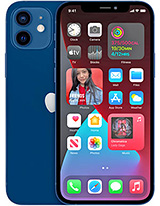
iPhone 12
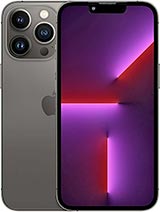
iPhone 13 Pro
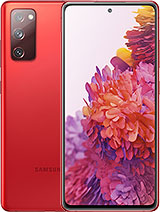
Galaxy S20 FE