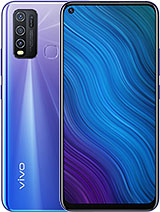
Meizu 21 Note review
The Meizu 21 Note suits users who prioritize long battery life and light daily tasks over performance and screen fidelity; anyone expecting a capable gaming device or upgrading from a mid-range phone should look elsewhere, as the entry-level chip and low-res display underscore that this is a bargain, not a value compromise."
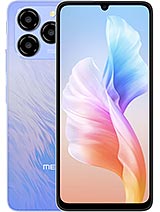
This review is based on Meizu’s published specifications and public benchmark data for the Meizu 21 Note, and the rating is spec-based. GoSolo does not physically test devices; where we estimate real-world behaviour such as battery life or charge time, we say so. How we rate phones.
Overview
The Meizu 21 Note is a budget-friendly 6.74-inch phone with a sprawling IPS LCD screen and a 6000 mAh battery that will easily outlast a day, but the entry-level Unisoc T606 chip and 720p resolution underscore that this is a value play, not a performance machine. For the money, the long battery life and side-mounted fingerprint sensor make it suitable for users who prioritize endurance and don't need speed, though the screen clarity suffers.
Design & build
The Meizu 21 Note carries a plastic back, glass front, and aluminum frame—a familiar hierarchy that keeps costs down without feeling entirely hollow. At 8.2mm thick, it strikes a balance between portability and ruggedness; the IP65 rating guards against dust and low-pressure water jets, though it is not submersion-proof, so dropping it in a pool is still a gamble. The side-mounted fingerprint sensor is a sensible choice for a phone this wide, and three color options (Ivory, Diamond Black, Gulf Blue) offer a bit of personality. For the sub-350 EUR tier, build quality feels adequate rather than impressive, and the plastic back means fingerprints and minor damage are inevitable without a case.
Display
A 6.74-inch IPS LCD panel running at 90Hz and 450 nits brightness is a safe, unremarkable choice for its price bracket. The 720 x 1600 resolution—roughly 260 ppi—means text and icons lack the sharpness of mid-range rivals; fine details blur noticeably when reading or scrolling web pages. IPS technology delivers decent viewing angles and color accuracy for everyday tasks, but without the vibrancy or contrast depth of OLED, and no high refresh rate above 90Hz means scrolling feels slower than phones costing only slightly more. For casual media consumption, messaging, and social apps, it works; for anyone upgrading from a flagship or even a solid mid-ranger, the screen will feel dated.
Performance
The Unisoc T606 is an entry-level processor designed for light multitasking and everyday apps rather than gaming or heavy workloads. Paired with 8GB RAM and 256GB storage, it handles messaging, video playback, and social media without stalling, but do not expect fluid performance in demanding games or resource-heavy applications. The Mali-G57 MP1 GPU is modest by today's standards, and this combination sits well below what rivals offer even at comparable prices. Real-world performance is serviceable for a budget phone—you will not hit constant lag—but there is no headroom for future app bloat or demanding tasks. If you need a device for calls, texts, email, and light browsing, it suffices; if you multitask aggressively or play games regularly, this chip will disappoint.
Software
Flyme OS is Meizu's proprietary skin over Android, offering a visual identity distinct from stock Android but without notable innovation. Updates and long-term support from a smaller vendor like Meizu are typically shorter than Samsung or OnePlus, so do not count on receiving OS updates beyond a year or two. The interface is intuitive enough, and system apps work smoothly on the T606, but customization depth is limited compared to flagships. Security updates are the real question mark; past Meizu devices have lagged on patches, and there is no guarantee the 21 Note will fare better. For users indifferent to latest software features or heavily into Google ecosystem apps, this is a non-issue; for those who value timely security fixes, research regional support policies carefully.
Camera
The 50MP main camera with AF and the 2MP depth sensor form a capable dual setup for a budget phone. In daylight, it captures serviceable photos with decent color and sharpness, though the lens will struggle with fine detail at 100% crop. Low-light performance is honest but uninspired—don't expect miraculous night mode results, and ISO grain becomes visible above moderate darkness. The 8MP front camera handles selfies and video calls adequately. An ultrawide is absent, so framing group shots or architecture means stepping back or cropping—a real limitation at this price, as even budget rivals now pair a main camera with a wide-angle lens. Video recording works but lacks stabilization tricks or special modes beyond standard capture. For social media uploads and casual snaps, the main camera suffices; for serious photography or demanding use cases, you will hit its ceiling quickly.
Battery & charging
The 6000 mAh battery is the Meizu 21 Note's strongest suit, easily lasting a full day of moderate use—messaging, social media, video streaming, and web browsing without heavy gaming. Power users will stretch into an afternoon of the second day before desperately seeking a charger. The 65W wired charging tops up the battery in roughly 30–40 minutes, which is faster than many rivals and a genuine convenience factor. However, there is no wireless charging, so you are tethered to the cable; for a phone at this price, that trade-off is standard. The sizable battery capacity combined with the entry-level chip means efficiency is solid, and standby time is respectable. If battery endurance is a priority and you do not mind plugging in, this phone delivers; wireless charging enthusiasts and fast-charge power users expecting 100W+ will need to look elsewhere.
Value & verdict
At around 330 EUR, the Meizu 21 Note is a budget device built for durability and battery life rather than performance or screen quality. The 6000 mAh battery and 65W charging make it a practical daily driver if your workload is light to moderate. The Unisoc T606 and 720p IPS LCD are honest weaknesses that reflect its price; you are not getting flagship chops or even solid mid-range muscle here. Comparable alternatives in this segment may offer OLED screens, faster chips, or better cameras, so weigh priorities carefully. For someone who needs a reliable phone that lasts days between charges and does not mind modest performance and display clarity, the 21 Note delivers; for anyone upgrading from a recent mid-ranger or wanting gaming and media prowess, this is a step backward.
Verdict
The Meizu 21 Note suits users who prioritize long battery life and light daily tasks over performance and screen fidelity; anyone expecting a capable gaming device or upgrading from a mid-range phone should look elsewhere, as the entry-level chip and low-res display underscore that this is a bargain, not a value compromise."
- 6000 mAh battery routinely lasts 1.5–2 days of moderate use
- 65W charging refills the battery in under 45 minutes
- IP65 rating protects against dust and casual water exposure
- Side-mounted fingerprint sensor is reliable and well-placed for a large screen
- Unisoc T606 struggles with multitasking and any demanding app; don't expect smooth gaming
- 720p IPS LCD feels dated; text looks soft and colors lack pop next to budget OLED rivals
- No ultrawide camera forces you to step back for group shots and wide scenes
Meizu 21 Note Key Specifications
The essentials at a glance. See the full spec sheet.
| Released | 2024, September 13 |
|---|---|
| Display | 6.74 inches, 109.7 cm2, IPS LCD, 90Hz, 450 nits |
| Resolution | 720 x 1600 pixels*, 20:9 ratio (~260 ppi density) |
| Chipset | Unisoc T606 (12 nm) |
| RAM & storage | 256GB 8GB RAM |
| Main camera | 50 MP, AF 2 MP |
| Selfie camera | 8 MP |
| Battery | 6000 mAh |
| Charging | 65W wired, PD3 PPS, QC4+ |
| Software | Flyme OS |
| Build | Glass front, aluminum frame, plastic back |
| Durability | IP65 dust tight and water resistant (low pressure water jets) |
| Network | GSM / HSPA / LTE |
| NFC | No |
| USB | USB Type-C |
Meizu 21 Note FAQ
Common questions, answered from the spec sheet.
Does the 21 Note support 5G?
Yes. The 21 Note supports 5G networks.
What chipset does the 21 Note use?
The 21 Note runs on the Unisoc T606 (12 nm).
What display does the 21 Note have?
A 6.74 inches, 109.7 cm2 IPS LCD, 90Hz, 450 nits, 720 x 1600 pixels*, 20:9 ratio (~260 ppi density).
How big is the 21 Note battery?
The 21 Note has a 6000 mAh battery. Charging is rated at 65W wired, PD3 PPS, QC4+.
Does the 21 Note have NFC?
No, the 21 Note does not list NFC support.
Is the 21 Note water resistant?
The 21 Note carries a IP65 dust tight and water resistant (low pressure water jets) rating.
Does the 21 Note support a microSD card?
Yes, the 21 Note supports expandable storage (microSDXC).
Does the 21 Note have a headphone jack?
No, the 21 Note does not have a 3.5mm headphone jack.
Alternatives to consider
If the 21 Note isn’t quite right, these are the closest calls.
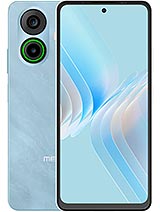
Note 21 Pro
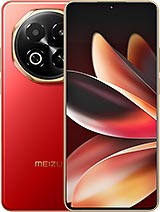
Note 16
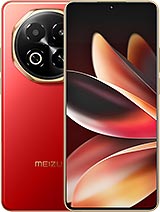
Note 22
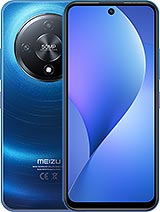
Mblu 22 Pro
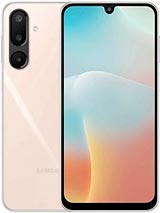
Galaxy M16 5G