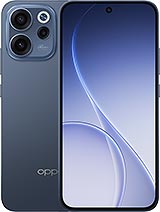
Motorola Moto G Stylus 5G 2025 review
This phone suits budget-conscious buyers in price-sensitive markets who prioritize a large, bright screen, durability, and storage flexibility over gaming or all-day battery drain. Anyone expecting flagship performance, intensive gaming, or two-day battery life should look elsewhere, even if it means trading the AMOLED display for a capable LCD and a smaller battery.
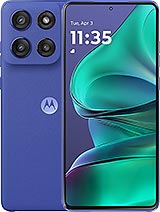
This review is written with AI assistance from Motorola’s published specifications and public benchmark data for the Motorola Moto G Stylus 5G 2025, and the rating is spec-based. GoSolo does not physically test devices; where we estimate real-world behaviour such as battery life or charge time, we say so. How we rate phones.
Overview
The Moto G Stylus 5G 2025 bundles a bright 120Hz AMOLED screen, IP68 durability, and a stylus at under $200, making it a solid pick for budget-conscious buyers who want a practical large phone. Performance and battery life are middling for everyday use, not best-in-class, but the display and storage flexibility—especially microSD expansion—punch above the price point.
Design & build
At 191g and 8.3mm thick, this phone feels substantial without being burdensome, and the eco leather back provides genuine grip compared to glass rivals. The stylus is stored in a tray and rated IP68 alongside the body, so it survives the same dust and water immersion up to 1.5m for 30 minutes. That durability claim matters for a stylus-equipped phone in this price range—rival stylus phones often skimp on protection. The plastic frame and Gorilla Glass 3 (an older generation) are both practical choices for a $182 device; they scratch and absorb impacts predictably without the premium cost. The 89.3% screen-to-body ratio is respectable and uses very little wasted bezel, though the overall footprint—6.39 inches—suits two-handed use better than quick single-hand operation.
Display
The 6.7-inch AMOLED panel is the phone's strongest point: 120Hz refresh, 3000 nits peak brightness, and a tall 20:9 aspect ratio for reading and media. In direct sunlight, this screen remains readable where rivals at comparable prices would fade, and scrolling through apps or feeds feels smooth without the stutter of 60Hz displays. The 1220×2712 pixel resolution (444 ppi) is sharp enough for text and photos on a 6.7-inch diagonal; only at arm's length does the pixel grid become visible. Colors are vibrant and color science leans slightly warm, which suits content consumption more than color-critical work. The trade-off is real: the 120Hz refresh and bright panel drain the battery noticeably faster than older LCD screens or 60Hz OLED rivals, so extended outdoor use without a charge nearby is risky.
Performance
The Snapdragon 6 Gen 3 is a mid-range chip that handles day-to-day tasks—messaging, social media, light browsing—without stuttering, and with 8GB RAM you can keep multiple apps open. Gaming tells the true story: Genshin Impact runs at medium settings with frame dips, while Call of Duty Mobile plays at lower settings and still drops frames during intense sequences. Heavy video editing or rendering files is not realistic on this hardware. For the buyer who uses their phone for work email, documents, notes, and casual video calls, this chipset is more than adequate. For anyone expecting console-like gaming or intensive multitasking, the gap between entry and flagship becomes obvious. The AnTuTu score of 647,258 reflects mid-range capability—competitive for its tier but not exceptional.
Software
Android 15 ships clean and relatively close to stock Google Android, which means faster updates and fewer proprietary bloat apps than some Motorola variants do. The promise of 'up to 2 major Android upgrades' is standard for budget phones in 2025 and leaves room for interpretation—you will likely see Android 16 and 17 at minimum. The stylus carries no dedicated note app in the box beyond standard notes functionality; for serious productivity work (drawing, handwriting-to-text), you are limited to third-party options or OneNote-style integrations. The under-display fingerprint sensor is optical rather than ultrasonic, so it works reliably in normal light and indoors but can be fussy outdoors or with wet fingers.
Camera
The 50MP main camera with f/1.8 aperture and optical image stabilization (OIS) handles daylight shooting well: detail holds up, colors are punchy, and autofocus is snappy thanks to multi-directional phase-detection. In dim indoor light, the wider aperture helps, though noise increases noticeably compared to flagship phones with larger sensors. The 13MP ultrawide at f/2.2 captures a broader field but lacks the detail and low-light resilience of the main camera; this is the cost of the budget tier. The 32MP selfie camera produces acceptable face shots and video calls, though smoothing is heavy and fine detail suffers at full resolution. Video maxes out at 4K@30fps on both rear and front—a limitation compared to rivals offering 60fps—but compression is reasonable for social media uploads. Do not expect professional footage or excellent stabilization in a moving handheld shot.
Battery & charging
The 5000mAh cell estimates to 6 to 7 hours of screen-on time with moderate use (browsing, messaging, streaming), and a full day is possible if you avoid gaming or video for extended periods. The 120Hz display accelerates drain compared to a 60Hz rival with the same battery, so managing brightness or capping refresh to 60Hz in battery saver mode extends longevity. The 68W wired charging reaches full capacity in roughly 35 to 50 minutes, which is acceptable for a quick top-up before leaving but trails rivals at this price offering 100W or faster. Wireless charging at 15W is slower still, taking around 90 minutes; it is convenient for desk-side charging but not a speed advantage. Neither charging method is industry-leading, but the wired option is practical if you charge daily overnight.
Value & verdict
At $182.59, this phone competes against entry-flagship models from other brands and last-year's mid-range flagships. The AMOLED display, stylus, IP68 rating, and 5G are genuine features that typically command a premium; here, they are bundled at a price that undercuts phones with similar screens or durability. The dedicated microSD slot is a rare luxury at this tier and offers real value if you shoot video or install games—expandable storage is a feature most modern midrange phones have abandoned. The performance and battery trade-offs are honest weaknesses: you will not get flagship-level gaming or all-day endurance with heavy use. The stylus justifies the name but serves basic note-taking and sketching more than serious productivity. For a buyer in a price-conscious market who values screen quality, durability, and practical features over raw power or battery capacity, this phone makes sense. Heavy gamers, video creators, or anyone who needs all-day battery under sustained use should consider rivals with larger batteries or faster-charging systems, even if the screen is less impressive.
Verdict
This phone suits budget-conscious buyers in price-sensitive markets who prioritize a large, bright screen, durability, and storage flexibility over gaming or all-day battery drain. Anyone expecting flagship performance, intensive gaming, or two-day battery life should look elsewhere, even if it means trading the AMOLED display for a capable LCD and a smaller battery.
- 6.7-inch 120Hz AMOLED at 3000 nits peak brightness is exceptionally bright and smooth for the price, readable in direct sunlight without washout
- Stylus and body both rated IP68, so durability and water resistance are genuine rather than marketing angles at this budget tier
- Dedicated microSD slot (up to 1TB) is a rare retention at this price and meaningful if you shoot 4K video or maintain large game libraries
- Wired charging at 68W reaches full capacity in under an hour, practical for daily quick top-ups
- Mid-range Snapdragon 6 Gen 3 struggles with sustained frame rates in demanding games and cannot handle heavy multitasking or video editing
- 120Hz display and 5000mAh battery drain to single-day endurance with heavy use; no meaningful longevity advantage over last year's 60Hz rivals
- Gorilla Glass 3 is an older generation; combined with thin 8.3mm frame, drop protection is marginal without a case
Motorola Moto G Stylus 5G 2025 Key Specifications
The essentials at a glance. See the full spec sheet.
| Released | 2025, April 08 |
|---|---|
| Display | 6.7 inches, 108.4 cm2 (~89.3% screen-to-body ratio), AMOLED, 1B colors, 120Hz, HDR, 3000 nits (peak) |
| Resolution | 1220 x 2712 pixels, 20:9 ratio (~444 ppi density) |
| Chipset | Qualcomm SM6475-AB Snapdragon 6 Gen 3 (4 nm) |
| RAM & storage | 128GB 8GB RAM, 256GB 8GB RAM |
| Main camera | 50 MP, f/1.8, 24mm (wide), 1/1.56", 1.0µm, multi-directional PDAF, OIS 13 MP, f/2.2, 16mm, 120˚ (ultrawide), 1/3.0", 1.12µm, PDAF |
| Selfie camera | 32 MP, f/2.2, 25mm (wide), 1/3.14", 0.7µm |
| Battery | 5000 mAh |
| Charging | TurboPower up to 68 W, Wireless: Charger power 15 W |
| Software | Android 15, up to 2 major Android upgrades |
| Dimensions | 162.2 x 74.8 x 8.3 mm (6.39 x 2.94 x 0.33 in) |
| Weight | 191 g (6.74 oz) |
| Build | Glass front (Gorilla Glass 3), silicone polymer (eco leather) back, plastic frame |
| Durability | Stylus IP68 dust tight and water resistant (immersible up to 1.5m for 30 min) MIL-STD-810H compliant* * does not guarantee ruggedness or use in extreme conditions |
| Network | GSM / HSPA / LTE / 5G |
| NFC | Yes |
| USB | USB Type-C 2.0 |
Motorola Moto G Stylus 5G 2025 FAQ
Common questions, answered from the spec sheet.
Does the Moto G Stylus 5G 2025 support 5G?
Yes. The Moto G Stylus 5G 2025 supports 5G networks.
What chipset does the Moto G Stylus 5G 2025 use?
The Moto G Stylus 5G 2025 runs on the Qualcomm SM6475-AB Snapdragon 6 Gen 3 (4 nm).
What display does the Moto G Stylus 5G 2025 have?
A 6.7 inches, 108.4 cm2 (~89.3% screen-to-body ratio) AMOLED, 1B colors, 120Hz, HDR, 3000 nits (peak), 1220 x 2712 pixels, 20:9 ratio (~444 ppi density).
How big is the Moto G Stylus 5G 2025 battery?
The Moto G Stylus 5G 2025 has a 5000 mAh battery. Charging is rated at TurboPower up to 68 W, Wireless: Charger power 15 W.
Does the Moto G Stylus 5G 2025 have NFC?
Yes, the Moto G Stylus 5G 2025 has NFC.
Is the Moto G Stylus 5G 2025 water resistant?
The Moto G Stylus 5G 2025 carries a Stylus IP68 dust tight and water resistant (immersible up to 1.5m for 30 min) MIL-STD-810H compliant* * does not guarantee ruggedness or use in extreme conditions rating.
Does the Moto G Stylus 5G 2025 support a microSD card?
Yes, the Moto G Stylus 5G 2025 supports expandable storage (microSDXC (dedicated slot)).
Alternatives to consider
If the Moto G Stylus 5G 2025 isn’t quite right, these are the closest calls.
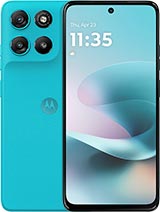
Moto G67 Power 5G
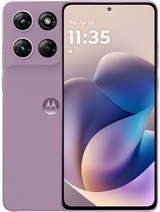
Moto G Stylus (2026)
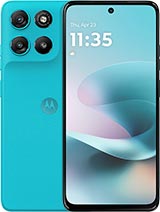
Moto G67 Power
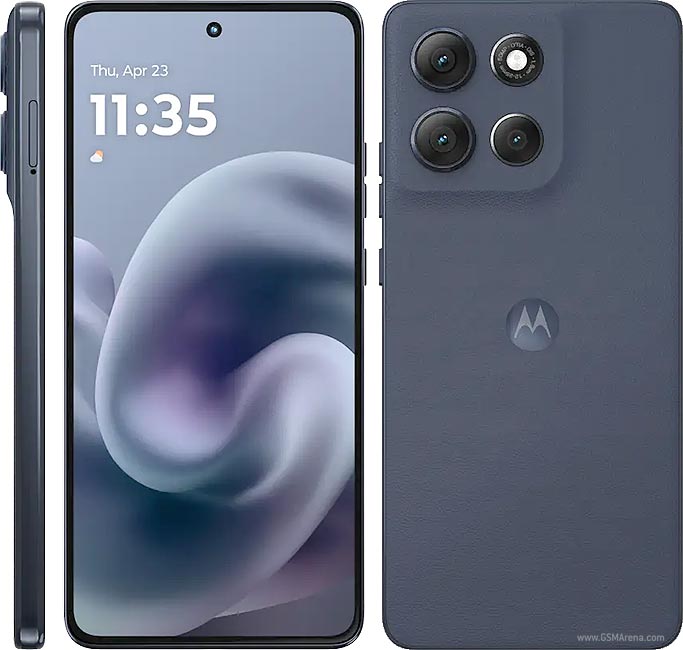
Moto G100 Pro
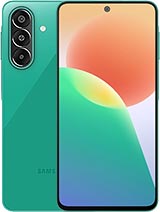
Galaxy F70 Pro