Oppo A3 4G review
The Oppo A3 suits dual-SIM users who want a large bright screen and do not care about gaming or future-proofing. Anyone else in its price range should compare its 720p resolution and 2022 chipset against rivals shipping sharper screens and faster processors.
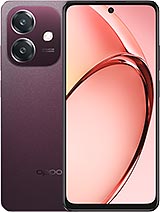
This review is based on Oppo’s published specifications and public benchmark data for the Oppo A3 4G, and the rating is spec-based. GoSolo does not physically test devices; where we estimate real-world behaviour such as battery life or charge time, we say so. How we rate phones.
Overview
The Oppo A3 is a budget 4G phone with a large, bright 6.67-inch screen and solid build quality, but it trips on 720p resolution and a chipset that is more than two years behind its rivals. At ₹18,999, it feels like 2024 value that arrived a year late.
Design & build
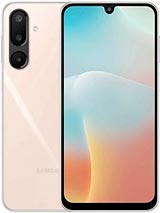
The Oppo A3 is slim and light at 7.7 mm thick and 187 g, which is good for its large 6.67-inch frame. IP54 dust and splash protection is genuine, backed by MIL-STD-810H compliance—it will handle brief rain and dusty environments without fuss. Panda glass on the front is standard fare for the price. Dual nano-SIM and a side-mounted fingerprint sensor fit the practical needs of dual-SIM markets. Nothing here feels cheap, but nothing stands out either; it is a straightforward, forgettable build.
Display
The 1000-nit peak brightness is a real strength in sunlight, well above the 400–600 nits typical of rivals at this price. The 6.67-inch IPS LCD is spacious for media and reading. However, 720p resolution at this screen size means text, icons, and fine detail look noticeably soft compared to the 1080p or higher displays now standard in the ₹18,000–25,000 range. The 264 ppi density is below the 300 ppi threshold where most people stop seeing individual pixels. At this price point and in 2024, a budget phone shipping 720p feels like a shortcut: rivals have moved on. The 120Hz refresh helps scroll feel fluid, but it cannot mask the resolution deficit.
Performance
The Dimensity 6300 is a 2022 chipset that handles everyday tasks—messaging, browsing, social media, light streaming—without stutter. With 4–8 GB of RAM and eMMC 5.1 storage, app launches are respectable and multitasking is stable. That said, in 2024 rivals at this price run 2024 chips that are noticeably quicker in real-world app load times and game performance. Demanding games will drop frames at standard settings; casual gaming and video playback work fine. If you do not game or push heavy workloads, the Dimensity 6300 is adequate. If you do, or if you want the phone to feel snappy next year, this chipset feels dated now.
Camera
The 50 MP main camera with f/1.8 aperture and PDAF handles daylight shooting competently and can produce sharp, well-exposed images in good light. 1080p video at 30 or 60 fps is standard for the price. In dim light or challenging conditions, a 50 MP sensor does not guarantee great results—detail retention and noise will be typical for a budget phone, not exceptional. The 5 MP selfie camera is basic and suited only for video calls and casual snaps. Oppo's typical post-processing adds saturation and contrast that some prefer and others find artificial. For everyday photography and social media, this will work; for anything more serious, do not expect miracles.
Battery & charging
The 5100 mAh battery lasts roughly 18–24 hours on mixed use with moderate screen brightness; heavy users hitting max brightness or heavy apps may need to top up by evening. 45W SuperVOOC 2.0 charging is a practical strength, refilling the battery in about 45–60 minutes. This is faster than most rivals in the same price bracket and saves time over a working day. Overnight charging is convenient if you plug in before sleep, but the relatively modest mAh means you cannot coast through two full days without discipline.
Software & connectivity
Android 14 with ColorOS 14 is current and stable. Oppo's skin adds customization and a few useful widgets, though some prefer a closer-to-stock experience. The phone lists 5G bands in the spec sheet but is a 4G-only device—a confusing spec sheet mistake that means no 5G support even if your carrier deploys it. Dual SIM is a genuine win for users in markets where two phone numbers matter. Wi-Fi 6 is absent; it tops out at Wi-Fi 5, which is fine for most home networks but behind the curve for a 2024 phone at this price.
Value & verdict
At ₹18,999, the Oppo A3 is positioned as an affordable large-screen phone for budget-conscious buyers. The bright display, fast charging, and robust build are real merits. However, the 720p resolution on a 6.67-inch panel and the 2022-era chipset are dated compromises in a market where rivals now offer sharper screens and faster processors at the same price. If you prioritize screen size, battery life, and do not demand cutting-edge performance, the A3 works. If you want a modern experience or plan to keep the phone for more than two years, look at competitors with 1080p screens and current midrange chips. The phone is competent but feels like a 2023 release strategy squeezed into a 2024 product.
Verdict
The Oppo A3 suits dual-SIM users who want a large bright screen and do not care about gaming or future-proofing. Anyone else in its price range should compare its 720p resolution and 2022 chipset against rivals shipping sharper screens and faster processors.
- Bright 1000-nit IPS LCD display handles sunlight better than typical budget rivals, despite the soft 720p pixels
- 45W SuperVOOC charging refills the 5100 mAh battery in under an hour, faster than most phones at this price
- IP54 rating and MIL-STD-810H compliance mean real dust and splash resistance, not just marketing
- Dual SIM, microSD expansion, and side fingerprint sensor cover practical everyday needs
- 720p resolution on a 6.67-inch screen leaves text and icons visibly soft; rivals now ship 1080p at this price
- Dimensity 6300 is a 2022 chipset now trailing its 2024 midrange competitors in gaming and app responsiveness
- 5G bands listed but labeled 'LTE' in spec—this is a 4G-only phone, limiting future carrier support
Oppo A3 4G Key Specifications
The essentials at a glance. See the full spec sheet.
| Released | 2024, August 20 |
|---|---|
| Display | 6.67 inches, 107.2 cm2 (~85.2% screen-to-body ratio), IPS LCD, 120Hz, 1000 nits (HBM) |
| Resolution | 720 x 1604 pixels, 20:9 ratio (~264 ppi density) |
| Chipset | Mediatek Dimensity 6300 (6 nm) |
| RAM & storage | 128GB 4GB RAM, 128GB 6GB RAM, 256GB 6GB RAM, 256GB 8GB RAM |
| Main camera | 50 MP, f/1.8, (wide), PDAF Auxiliary lens |
| Selfie camera | 5 MP, f/2.2, (wide) |
| Battery | 5100 mAh |
| Charging | SuperVOOC 2.0 up to 45 W |
| Software | Android 14, ColorOS 14 |
| Dimensions | 165.7 x 76 x 7.7 mm (6.52 x 2.99 x 0.30 in) |
| Weight | 187 g (6.60 oz) |
| Durability | IP54 dust protected and water resistant (water splashes) MIL-STD-810H compliant* * does not guarantee ruggedness or use in extreme conditions |
| Network | GSM / HSPA / LTE / 5G |
| NFC | No |
| USB | USB Type-C 2.0, OTG |
Oppo A3 4G FAQ
Common questions, answered from the spec sheet.
Does the A3 4G support 5G?
Yes. The A3 4G supports 5G networks.
What chipset does the A3 4G use?
The A3 4G runs on the Mediatek Dimensity 6300 (6 nm).
What display does the A3 4G have?
A 6.67 inches, 107.2 cm2 (~85.2% screen-to-body ratio) IPS LCD, 120Hz, 1000 nits (HBM), 720 x 1604 pixels, 20:9 ratio (~264 ppi density).
How big is the A3 4G battery?
The A3 4G has a 5100 mAh battery. Charging is rated at SuperVOOC 2.0 up to 45 W.
Does the A3 4G have NFC?
No, the A3 4G does not list NFC support.
Is the A3 4G water resistant?
The A3 4G carries a IP54 dust protected and water resistant (water splashes) MIL-STD-810H compliant* * does not guarantee ruggedness or use in extreme conditions rating.
Does the A3 4G support a microSD card?
Yes, the A3 4G supports expandable storage (microSDXC).
Alternatives to consider
If the A3 4G isn’t quite right, these are the closest calls.
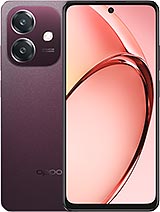
A3 5G
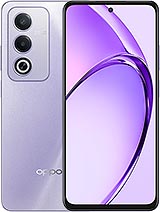
A80 5G
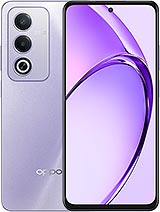
A3 Pro 5G

A5 5G
Galaxy M16 5G