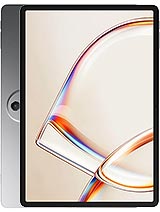
Vivo Pad SE review
This tablet suits someone who reads, browses, and watches in a well-lit home and values portability over processing power. Skip it if you game, edit, or spend time in bright sunlight, or if you can find a used flagship tablet for the same money.
This review is written with AI assistance from Vivo’s published specifications and public benchmark data for the Vivo Pad SE, and the rating is spec-based. GoSolo does not physically test devices; where we estimate real-world behaviour such as battery life or charge time, we say so. How we rate phones.
Overview
The Vivo Pad SE is a light, slim 12-inch tablet built for reading and video at home, with a 90Hz screen and 8500mAh battery that will comfortably last a day. The Snapdragon 4 Gen 2 and 5MP cameras are pure budget tier, so this is not a machine for gaming or content creation, but at around €120 it asks for little else.
Design and Build
At 560 grams and 6.8mm thick, the Pad SE is refreshingly portable for a 12-inch tablet. It sits lighter in the lap than most 10-inch competitors and packs into a bag without weight penalty. The thin frame is a genuine asset for someone who wants a tablet for reading and browsing without a Bluetooth keyboard dock. No SIM slot keeps costs down and simplifies the design, though it means this is Wi-Fi only. Build materials are not detailed, but at this price point plastic chassis is a given, not a disappointment.
Display
The 12.3-inch IPS LCD is the Pad SE's strongest claim. A 3:2 aspect ratio is rarer than 16:10 and genuinely better for reading and document work—you get more vertical space without letterboxing. 239ppi density is sharp enough for text at tablet viewing distance. The 90Hz refresh is the real standout for a €120 tablet; scrolling through articles and feeds noticeably glides compared to 60Hz competitors. Where it stumbles is brightness: 600 nits peaks low for an LCD. Indoors it's fine, but direct sunlight washes out the screen to near illegibility. If you are buying this primarily for outdoor reading or sunlit work, manage expectations. That said, for bedside reading or a home work desk, the display holds up.
Performance
The Snapdragon 4 Gen 2 is entry-level silicon. It handles everyday tasks—email, web browsing, light document editing, and streaming—without drama, especially with 8GB RAM. Multitasking is smooth enough for normal use. What it will not do is run games beyond casual puzzlers and simple indie titles, nor will it handle intensive photo or video editing. App startup times are noticeably slower than midrange tablets, and heavy apps can stutter. For someone whose tablet life is Netflix, email, and news, this is adequate. If you are considering light productivity or gaming, this chip will frustrate you. 6GB RAM is the bare minimum; 8GB is the safer pick if you keep many apps open.
Software
OriginOS 5 HD runs on top of Android 15 and is Vivo's custom tablet interface. For a budget tablet, it is reasonably lightweight and does not clutter the experience with intrusive advertising, though that will depend on your region and app choices. Updates beyond the initial release are an open question for a budget device at this price—Vivo's track record on long-term support is patchy. The larger 12.3-inch canvas means the OS has room to breathe better than on a 10-inch tablet, with side panels and two-window multitasking more genuinely useful.
Camera
Both rear and front cameras are 5MP, which is functional but not more. Low resolution means prints or crops are out of the question. Video capture works in theory but bitrate and stabilization are not specified; expect serviceable recordings for quick memos, not anything you would share. At this price, tablet cameras are an afterthought, and Vivo is honest about it. Do not buy this machine for content creation.
Battery and Charging
The 8500mAh battery is generously sized for the weight and screen size. Real-world endurance should stretch to 10–12 hours of mixed reading, browsing, and light work. Heavy video playback or gaming will halve that. Charging speed is listed as 15W, which is slow by modern standards—expect 2 hours or more from empty. For a device you will likely use at home and charge overnight, this is minor friction. The USB Type-C 2.0 connector is standard and adequate; no surprises.
Value and Verdict
At roughly €120, the Vivo Pad SE sits in a tight market of budget 10–12-inch tablets. The main rivals are Chinese-market no-names and older carryover stock from larger brands. For that money, the combination of a 3:2 display, thin form factor, and 90Hz refresh is unusual. This is not a powerful machine—it is a reading and media tablet, and it does that job well. Buyers cross-shopping will need to ask whether the thin design and 12-inch screen justify buying new from Vivo versus sourcing an older iPad or Samsung Tab S from the used market, where performance is typically better for the same price. The Pad SE makes sense if you prioritize lightness, a good reading screen, and the certainty of warranty support; it is less compelling if you expect to run apps beyond the basics.
Verdict
This tablet suits someone who reads, browses, and watches in a well-lit home and values portability over processing power. Skip it if you game, edit, or spend time in bright sunlight, or if you can find a used flagship tablet for the same money.
- Extremely thin and light at 6.8mm and 560g, making it genuinely portable for casual reading and browsing
- 12.3-inch 3:2 display with 239ppi is sharp and well-suited to reading documents and watching video without the glare problems of smaller tablets
- 90Hz refresh on a budget tablet is rare and does noticeably smooth out scrolling compared to 60Hz rivals
- 8500mAh battery easily covers a full day of mixed use without charging
- 600 nits peak brightness struggles in direct sunlight, limiting outdoor use
- Snapdragon 4 Gen 2 is entry-level; expect lag in demanding apps and no gaming beyond casual titles
- 5MP cameras are functional snapshots only, with no real video capability despite the spec listing
Vivo Pad SE Key Specifications
The essentials at a glance. See the full spec sheet.
| Released | 2025, April 21 |
|---|---|
| Display | 12.3 inches, 445.8 cm2 (~86.7% screen-to-body ratio), IPS LCD, 90Hz, 600 nits |
| Resolution | 1600 x 2464 pixels, 3:2 ratio (~239 ppi density) |
| Chipset | Qualcomm SM4450 Snapdragon 4 Gen 2 (4 nm) |
| RAM & storage | 128GB 6GB RAM, 128GB 8GB RAM, 256GB 8GB RAM |
| Main camera | 5 MP |
| Selfie camera | 5 MP |
| Battery | 8500 mAh |
| Software | Android 15, OriginOS 5 HD |
| Dimensions | 277.1 x 185.6 x 6.8 mm (10.91 x 7.31 x 0.27 in) |
| Weight | 559 g or 569 g (1.23 lb) |
| Network | No cellular connectivity |
| NFC | No |
| USB | USB Type-C 2.0, OTG |
Vivo Pad SE FAQ
Common questions, answered from the spec sheet.
Does the Pad SE support 5G?
No. The Pad SE tops out at No cellular connectivity, without 5G.
What chipset does the Pad SE use?
The Pad SE runs on the Qualcomm SM4450 Snapdragon 4 Gen 2 (4 nm).
What display does the Pad SE have?
A 12.3 inches, 445.8 cm2 (~86.7% screen-to-body ratio) IPS LCD, 90Hz, 600 nits, 1600 x 2464 pixels, 3:2 ratio (~239 ppi density).
How big is the Pad SE battery?
The Pad SE has a 8500 mAh battery.
Does the Pad SE have NFC?
No, the Pad SE does not list NFC support.
Does the Pad SE support a microSD card?
No, the Pad SE does not support expandable storage.
Alternatives to consider
If the Pad SE isn’t quite right, these are the closest calls.

iQOO Pad Air
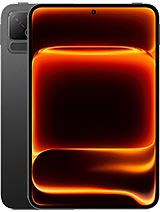
iQOO Pad Ultra
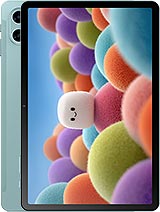
Black Shark Pad SE
Pad X8b
Moto Pad (2026)