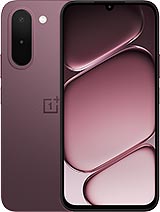
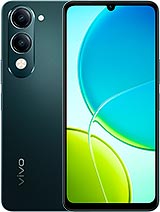
Vivo Y04 review
The Vivo Y04 suits budget buyers in areas with weak internet who value battery endurance and practical features like FM radio and a 3.5mm jack over gaming or camera ambition, or anyone who needs a durable backup device. Everyone else should look at competitors offering faster chips, better screens, and quicker charging at the same price."
This review is based on Vivo’s published specifications and public benchmark data for the Vivo Y04, and the rating is spec-based. GoSolo does not physically test devices; where we estimate real-world behaviour such as battery life or charge time, we say so. How we rate phones.
Overview
The Vivo Y04 is a budget phone built for everyday messaging and video on a tight battery between charges. At €130, it delivers long battery life and a roomy 6.74-inch screen, but the Unisoc T7225 chip and 260 ppi display are well below even budget-tier standards today, and 15W charging takes hours—a poor fit unless you genuinely value FM radio and expandable storage over performance.
Design & Build
The Y04 is light at 199 grams and thin at 8.2 mm, with a plastic back and frame wrapped around a glass front. The IP64 rating covers dust and light splashes, and MIL-STD-810H compliance hints at ruggedness, though neither guarantee it will survive a drop or heavy rain. The design feels competent but unremarkable for a budget phone, and the plastic body is standard at this price. What sets it apart is what most modern budget phones drop: the 3.5mm jack and FM radio tuner, both here and working. Dual nano-SIM support is useful for travelers or people splitting work and personal lines. Overall, the build is adequate and honest, without pretense or obvious weak points.
Display
The 6.74-inch IPS LCD with 90Hz refresh keeps scrolling smooth and is readable in sunlight thanks to 570 nits peak brightness in high brightness mode. The 20:9 ratio and 85% screen-to-body ratio give a roomy feel, but the 720p resolution creates pixelation at this screen size—text and images lack the sharpness expected even from budget rivals today. The 260 ppi density is visibly coarse. Mohs level 5 glass scratches easily; everyday keys and coins will mark the surface, a step below hardened glass on competing budget phones. The panel itself is fine for video and basic browsing, but the resolution and scratch resistance are weak points for a 2025 release.
Performance
The Unisoc T7225 octa-core processor and Mali-G52 single-core GPU are entry-level even for budget phones. They handle messaging, calling, light web browsing, and video playback without strain. Any demanding game, video editing, or sustained multitasking will cause lag and stuttering. The 4GB or 6GB RAM options help a little, but the GPU is the real bottleneck. For someone checking email and watching YouTube between calls, it is adequate. For a teenager playing anything beyond casual mobile games, it will disappoint. The chip is outpaced by rivals at this price, and Vivo has not given buyers enough clock speed to compensate.
Software
Android 14 with Funtouch 14 is current and will receive at least one more year of security patches on a budget device. Funtouch is Vivo's skin—lighter than some rivals but still adding bloat compared to stock Android. It does not fundamentally harm the phone, but it eats RAM and adds clutter that the Mali-G52 has to work harder to manage. For buyers who dislike custom skins, the performance ceiling here makes Funtouch feel like an unnecessary tax. No surprises, and the core experience is familiar to Vivo users.
Camera
The 13MP f/2.2 main camera with PDAF captures decent daylight shots with the kind of detail a 13MP sensor can offer, but low-light performance is average because f/2.2 is modest and the sensor size is not generous. Video tops out at 1080p@30fps, which is baseline and slightly behind phones that now offer 1080p@60fps at this price. The 5MP selfie is bare-bones. The auxiliary lens listed in the specs is 0.08MP, which contributes almost nothing to portraits or zoom. On the whole, the camera is functional but uninspired—adequate for snapshots and social media but not a strength of the device.
Battery & Charging
The 5500 mAh cell is the phone's strongest asset. It delivers about 1.5 to 2 days of moderate use, which beats many modern phones and is exactly what a budget buyer needs. The weakness is charging: 15W is slow by today's standards. Rivals at €130 and below now hit 30W or higher; the Y04 takes about 2 to 2.5 hours from empty, which is frustrating if you are in a hurry. The trade-off is clear: Vivo prioritized battery endurance over refill speed. For a user who charges overnight, it does not matter. For someone juggling a device throughout the day, it feels outdated.
Value & Verdict Context
At €130, the Y04 occupies a tight niche. It undercuts entry flagships and performs worse, but it lasts longer between charges and includes features—FM radio, 3.5mm jack, expandable storage, IP64 durability—that budget-conscious buyers in regions with weaker internet infrastructure will actually use. The screen resolution and charging speed lag expectations for 2025, and the Unisoc chip is genuinely weak. The value proposition is not about getting the most performance for the price; it is about trading raw power and screen clarity for battery life and practical redundancy. If you are buying this as a second phone, for elderly relatives, or for a region where WiFi spotty, the long battery life and physical durability make sense. If you are a first-time smartphone buyer or a young user who games at all, look elsewhere.
Verdict
The Vivo Y04 suits budget buyers in areas with weak internet who value battery endurance and practical features like FM radio and a 3.5mm jack over gaming or camera ambition, or anyone who needs a durable backup device. Everyone else should look at competitors offering faster chips, better screens, and quicker charging at the same price."
- 5500 mAh battery lasts about 1.5 to 2 days of moderate use and feels genuinely durable with MIL-STD-810H compliance and IP64 water resistance
- Rare FM radio tuner and 3.5mm headphone jack appeal to users in regions with weak internet or those still using wired audio
- Dedicated microSD slot on all variants means expandable storage without losing a SIM card slot
- 15W charging fills the 5500 mAh battery in about 2.5 hours from empty—significantly slower than rivals at this price that hit 30W or higher
- Unisoc T7225 chipset and Mali-G52 GPU handle light apps and video but stumble with any gaming or heavy multitasking; it is entry-level even for budget phones in 2025
- 260 ppi display and Mohs level 5 glass scratch easily compared to modern budget phones; the 720p resolution feels soft on a 6.74-inch screen
Vivo Y04 Key Specifications
The essentials at a glance. See the full spec sheet.
| Released | 2025, February 26 |
|---|---|
| Display | 6.74 inches, 109.7 cm2 (~85.1% screen-to-body ratio), IPS LCD, 90Hz, 570 nits (HBM) |
| Resolution | 720 x 1600 pixels, 20:9 ratio (~260 ppi density) |
| Chipset | Unisoc T7225 (12 nm) |
| RAM & storage | 64GB 4GB RAM, 128GB 4GB RAM, 128GB 6GB RAM, 256GB 4GB RAM |
| Main camera | 13 MP, f/2.2, (wide), PDAF Auxiliary lens |
| Selfie camera | 5 MP, f/2.2, (wide) |
| Battery | 5500 mAh |
| Charging | 15W wired |
| Software | Android 14, Funtouch 14 |
| Dimensions | 167.3 x 77 x 8.2 mm (6.59 x 3.03 x 0.32 in) |
| Weight | 199 g (7.02 oz) |
| Build | Glass front, plastic frame, plastic back |
| Durability | IP64 dust tight and water resistant (water splashes) MIL-STD-810H compliant* * does not guarantee ruggedness or use in extreme conditions |
| Network | GSM / HSPA / LTE |
| NFC | No |
| USB | USB Type-C 2.0, OTG |
Vivo Y04 FAQ
Common questions, answered from the spec sheet.
Does the Y04 support 5G?
No. The Y04 tops out at GSM / HSPA / LTE, without 5G.
What chipset does the Y04 use?
The Y04 runs on the Unisoc T7225 (12 nm).
What display does the Y04 have?
A 6.74 inches, 109.7 cm2 (~85.1% screen-to-body ratio) IPS LCD, 90Hz, 570 nits (HBM), 720 x 1600 pixels, 20:9 ratio (~260 ppi density).
How big is the Y04 battery?
The Y04 has a 5500 mAh battery. Charging is rated at 15W wired.
Does the Y04 have NFC?
No, the Y04 does not list NFC support.
Is the Y04 water resistant?
The Y04 carries a IP64 dust tight and water resistant (water splashes) MIL-STD-810H compliant* * does not guarantee ruggedness or use in extreme conditions rating.
Does the Y04 support a microSD card?
Yes, the Y04 supports expandable storage (microSDXC (dedicated slot)).
Does the Y04 have a headphone jack?
Yes, the Y04 has a 3.5mm headphone jack.
Alternatives to consider
If the Y04 isn’t quite right, these are the closest calls.
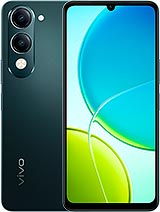
Y19 5G
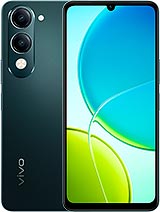
Y04 4G
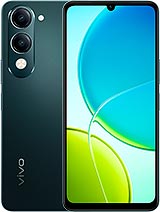
Y19
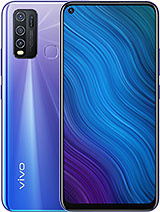
Y50 5G
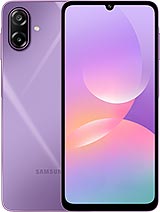
Galaxy M17e