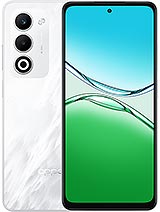
Vivo Y200 (Asia) review
The Y200 suits buyers in Asia who prioritise a fast-charging 120Hz screen and basic 5G over raw performance or camera prowess, and who stick to light apps and social media. Anyone expecting console-grade gaming or professional photography should look to a midrange phone with a better chipset and larger sensor.
This review is based on Vivo’s published specifications and public benchmark data for the Vivo Y200 (Asia), and the rating is spec-based. GoSolo does not physically test devices; where we estimate real-world behaviour such as battery life or charge time, we say so. How we rate phones.
Overview
The Y200 is a straightforward budget 5G phone built around a smooth 120Hz AMOLED screen and 80W charging at under 300 EUR. The Snapdragon 4 Gen 2 is weak enough that demanding games stumble, and 1080p on a 6.67-inch panel blunts the sharpness; it's honest value for light users, but not a leap forward.
Design & build
At 188–190g and 7.8mm thick, the Y200 feels light and pocketable. Glass front and plastic back with plastic frame cuts cost and weight, but trades the solidity of metal or full-glass rivals; the IP64 rating handles dust and rain splash but not dunking. For under 300 EUR, this is a reasonable bargain. Colours—Dynamic Black, Titanium Silver, Dreamy Violet—are decent enough, though the plastic back won't feel as premium as you might hope.
Display
The 6.67-inch AMOLED panel is the phone's strongest suit. 120Hz scrolling is genuinely smooth, and 1200 nits (HBM) plus 1800-nit peaks mean bright sunlight won't wash out the screen. Colour reproduction on AMOLED is rich, and motion on video or social media feels fluid. The caveat is resolution: 1080 x 2400 pixels at 395 ppi is crisp enough for video or casual use, but text and fine UI elements start to show pixelation if you hold the phone close or stare at dense paragraphs. Rivals in this price band have begun offering 1440p, so this 1080p choice feels like a cut to keep costs down.
Performance
The Snapdragon 4 Gen 2 is entry-level silicon. Messaging, social apps, and web browsing run without stutter—the 8GB or 12GB RAM helps there—but modern 3D games (Genshin Impact, Call of Duty Mobile on high settings) will drop frames or throttle rather quickly. Everyday tasks don't feel slow, but you are not getting headroom. The 256GB storage base model uses UFS 2.2, which is adequate but not fast by 2024 standards. If you plan to install many large apps or play graphics-heavy games, the 12GB/512GB variant is wiser, though it pushes the price higher.
Camera
The 50MP main camera has an f/1.8 aperture and 0.8µm pixels that gather decent light for daylight shots and portraits. HDR and the ring-LED flash help in average conditions. The 1/1.95-inch sensor size is modest, though, so low-light performance lags behind larger-sensored phones—night shots will look soft or noisy without heavy processing. The 8MP ultrawide (120°) is sharp enough for group photos or landscapes, but offers limited zoom flexibility. The 32MP selfie is serviceable for video calls or casual self-portraits. Video tops out at 1080p/30fps, which is standard for this tier but falls behind phones offering 4K. Overall, this camera suits holiday snaps and social media posts, not pixel-peeping or creative work.
Battery & charging
5000mAh is a solid capacity. Paired with the Snapdragon 4's modest power draw and a 120Hz display, you should see about one day of mixed use (calls, messaging, browsing) with default screen refresh. Heavy gaming or maximum brightness will drain faster. The headline feature is 80W charging: 80% in 30 minutes is genuinely quick, letting you grab a coffee-break top-up before stepping out. Full charge to 100% takes about 40–45 minutes. There is no wireless charging, which is standard omission at this price.
Software & connectivity
Android 14 with Funtouch 14 is current and should receive timely updates—Vivo's record here is mixed, so don't expect years of support. The OS works smoothly on this hardware, though Funtouch's overlay is occasionally bloated with promotional apps. Connectivity is solid: 5G where available, dual-band Wi-Fi 5 (802.11ac), Bluetooth 5.0, and multi-GNSS for navigation. The omission of Wi-Fi 6 means peak internet speeds won't reach the newest routers, and no NFC or FM radio rounds out the connectivity picture—neither is a dealbreaker at this price, but buyers upgrading from older midrange phones will notice their absence.
Value & verdict
At 280 EUR, the Y200 occupies an honest space: smooth display, usable battery life, fast charging, and 5G connectivity for a low outlay. The Snapdragon 4 Gen 2 and 1080p camera are not impressive, but they are not cruel either—you get what you pay for. This is a phone for people who browse, message, take casual photos, and occasionally stream video, not for demanding gamers or mobile photographers. The main competitors at this tier are other budget 5G phones with similar trade-offs; the Y200's AMOLED and charging speed give it an edge over cheaper LCDs, but it is not a standout value—just a decent one.
Verdict
The Y200 suits buyers in Asia who prioritise a fast-charging 120Hz screen and basic 5G over raw performance or camera prowess, and who stick to light apps and social media. Anyone expecting console-grade gaming or professional photography should look to a midrange phone with a better chipset and larger sensor.
- AMOLED display at this price—bright (1200 nits typical, 1800 peak), colourful, and 120Hz scrolling is genuinely smooth
- 80W wired charging reaches 80% in 30 minutes, practical for quick top-ups before work or travel
- 5G connectivity where available, dual SIM, and dual-band Wi-Fi for coverage flexibility
- 5000mAh battery paired with frugal hardware yields realistic one-day endurance on mixed use
- Snapdragon 4 Gen 2 struggles with modern 3D games at high settings; expect throttling or frame drops
- 1080p resolution on a 6.67-inch screen sits just below where text reads razor-sharp at arm's length
- Camera weak in low light (0.8µm pixels, 1/1.95-inch sensor) and no telephoto, limiting flexibility
Vivo Y200 (Asia) Key Specifications
The essentials at a glance. See the full spec sheet.
| Released | 2024, November |
|---|---|
| Display | 6.67 inches, 107.4 cm2 (~86.7% screen-to-body ratio), AMOLED, 1B colors, 120Hz, 1200 nits (HBM), 1800 nits (peak) |
| Resolution | 1080 x 2400 pixels, 20:9 ratio (~395 ppi density) |
| Chipset | Qualcomm SM4450 Snapdragon 4 Gen 2 (4 nm) |
| RAM & storage | 256GB 8GB RAM, 512GB 12GB RAM |
| Main camera | 50 MP, f/1.8, (wide), 1/1.95", 0.8µm, PDAF 8 MP, f/2.2, 120˚ (ultrawide) |
| Selfie camera | 32 MP, f/2.5, (wide) |
| Battery | 5000 mAh |
| Charging | 80W wired, 80% in 30 minReverse wired |
| Software | Android 14, Funtouch 14 |
| Dimensions | 163.2 x 75.9 x 7.8 mm or 8.0 mm |
| Weight | 188 g or 190 g (6.63 oz) |
| Build | Glass front, plastic back, plastic frame |
| Durability | IP64 dust tight and water resistant (water splashes) |
| Network | GSM / HSPA / LTE / 5G |
| NFC | No |
| USB | USB Type-C 2.0, OTG |
Vivo Y200 (Asia) FAQ
Common questions, answered from the spec sheet.
Does the Y200 (Asia) support 5G?
Yes. The Y200 (Asia) supports 5G networks.
What chipset does the Y200 (Asia) use?
The Y200 (Asia) runs on the Qualcomm SM4450 Snapdragon 4 Gen 2 (4 nm).
What display does the Y200 (Asia) have?
A 6.67 inches, 107.4 cm2 (~86.7% screen-to-body ratio) AMOLED, 1B colors, 120Hz, 1200 nits (HBM), 1800 nits (peak), 1080 x 2400 pixels, 20:9 ratio (~395 ppi density).
How big is the Y200 (Asia) battery?
The Y200 (Asia) has a 5000 mAh battery. Charging is rated at 80W wired, 80% in 30 minReverse wired.
Does the Y200 (Asia) have NFC?
No, the Y200 (Asia) does not list NFC support.
Is the Y200 (Asia) water resistant?
The Y200 (Asia) carries a IP64 dust tight and water resistant (water splashes) rating.
Does the Y200 (Asia) support a microSD card?
Yes, the Y200 (Asia) supports expandable storage (microSDXC (uses shared SIM slot)).
Does the Y200 (Asia) have a headphone jack?
No, the Y200 (Asia) does not have a 3.5mm headphone jack.
Alternatives to consider
If the Y200 (Asia) isn’t quite right, these are the closest calls.
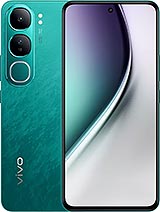
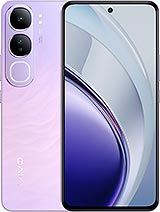
Y300
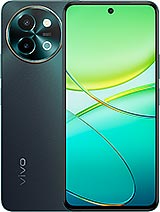
Y38 5G
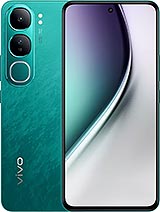
Y300 5G
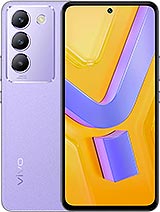
Y100 (IDN)
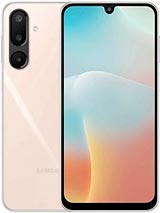
Galaxy M16 5G