ZTE Blade A75 4G review
This phone suits cost-conscious users in regions where a 3.5mm jack and dual SIM matter, and who can live with a fuzzy display and sluggish performance for multi-day battery life and a low price tag. Anyone expecting sharp visuals or responsive gaming should look at MediaTek alternatives in the same range.

This review is based on ZTE’s published specifications and public benchmark data for the ZTE Blade A75 4G, and the rating is spec-based. GoSolo does not physically test devices; where we estimate real-world behaviour such as battery life or charge time, we say so. How we rate phones.
Overview
The Blade A75 4G is a 2024 budget phone that trades resolution for screen size and battery life, pairing a modest Unisoc chip with a 5000mAh cell and a welcomed 3.5mm jack. It's honest about its limits: sluggish at multitasking and gaming, with a display that looks pixelated at arm's length, but survives a full day or more on lighter use and doesn't pretend to be something it's not.
Design & build
At 205g and 8.6mm thick, the Blade A75 is neither particularly light nor slim by 2024 standards—it sits where many mid-range phones of a few years ago did. The build materials aren't specified in the sheet, which is often a sign the frame is plastic rather than metal or glass, a detail that would matter for durability. The side-mounted fingerprint sensor is tactile and reliable for unlock, and the dual SIM slot covers users in regions where two numbers are the norm. The presence of a 3.5mm jack is genuinely useful here: millions in cost-conscious markets prefer wired audio, and it sidesteps the need for adapters or wireless earbuds. No water resistance rating is listed, which means spills or unexpected rain are a real risk rather than something the phone can shrug off.
Display
A 6.6-inch screen sounds spacious until you see the 720p resolution stretched across it. At roughly 266 ppi, individual pixels become visible when reading small text or browsing closely—a step back from the 300+ ppi standard even budget phones hit now. The 120Hz refresh rate helps scrolling feel smoother than the resolution alone suggests, and an IPS LCD panel delivers decent viewing angles, but colors look washed and flat compared to AMOLED rivals. For casual video watching or social media, it's passable; for anyone doing detailed work or comparing photos, the screen's limitations become frustrating fast.
Performance
The Unisoc T760 is an entry-level chipset designed for basics: calls, messages, light browsing, and streaming over Wi-Fi. With 4GB of RAM, everyday apps open without drama, and switching between a few open apps is fine. The moment you push harder—heavy games, video editing, or running multiple demanding tasks—you'll feel the lag. The Mali-G57 GPU struggles with anything beyond casual 3D content. For someone who uses their phone as a communication device and casual content consumer, this is adequate; for anyone who expects gaming or productivity workloads, it's clearly the weak link. Unisoc chips have improved, but they still trail Qualcomm and MediaTek at this tier by a visible margin in real-world responsiveness.
Software
Android 13 is already a year old by this phone's September 2024 release, so updates are a question mark. ZTE's track record on long-term OS support is patchy in many regions, and four years of security patches shouldn't be assumed here. The 128GB storage with no microSD slot means you can't easily add space, though 128GB handles moderate use without forced cleanup. Bloatware presence depends on region, but budget ZTE models in some markets come pre-loaded with apps you'd rather not have.
Camera
The 50MP sensor with f/1.8 aperture performs well in good light, where the wide opening and phase-detect autofocus yield sharp, detailed photos. Daylight shots are the strong suit here. Video maxes out at 1080p 30fps, which is limiting by 2024 standards when most rivals offer 4K; it's a clear cost-saving measure. The 8MP selfie camera is basic but sufficient for video calls. Low-light performance lags noticeably because the sensor size isn't disclosed and the 1/2-inch typical of this price class lacks the light-gathering power of larger rivals. There's no ultrawide or telephoto lens, so composition is limited to what the single wide angle captures.
Battery & charging
The 5000mAh cell comfortably stretches past a day with light to moderate use—browsing, messaging, some video. Heavy streaming or gaming will drain it in a single day, but the baseline is solid. Charging at 22.5W is slower than the 65–100W rivals at this price now offer, so a full charge from empty takes roughly 90 minutes. A quick 30-minute top-up gives a few hours of breathing room, which is practical if you're heading out, but the slow wattage means you can't bank on rapid turnaround in emergencies. For a 5000mAh battery at this tier, 22.5W is ordinary, not a strength, but the substantial capacity keeps the phone usable across most days.
Value & verdict
At around 170 EUR, the Blade A75 undercuts many rivals and offers concrete trade-offs rather than hidden corners: you get a big screen, a useful 3.5mm jack, solid battery life, and a 5G-ready chipset that doesn't need upgrading just to browse. The 720p display and entry-level performance are the honest costs of that price. It suits someone in a cost-sensitive market who values battery endurance and standard audio connectivity over screen sharpness and gaming muscle. Anyone accustomed to a sharper display or faster processor will feel the difference immediately. For the audience this phone targets—budget-conscious users in regions where two SIM cards are normal practice and €170 is a meaningful spend—the compromises make sense. It's not a value revelation, but it's straightforward about what it is.
Verdict
This phone suits cost-conscious users in regions where a 3.5mm jack and dual SIM matter, and who can live with a fuzzy display and sluggish performance for multi-day battery life and a low price tag. Anyone expecting sharp visuals or responsive gaming should look at MediaTek alternatives in the same range.
- 5000mAh battery easily stretches past a day on light to moderate use, with realistic all-day endurance
- 3.5mm headphone jack eliminates the need for adapters or wireless buds, a genuine plus in cost-conscious markets
- 50MP f/1.8 main camera captures sharp, detailed photos in good light with phase-detect autofocus
- 5G connectivity ready across major bands, future-proofing for network evolution in most regions
- 720p resolution on a 6.6-inch screen is visibly pixelated; text looks soft and detail suffers compared to 1080p at this size
- Unisoc T760 chipset is entry-level and noticeably sluggish under load—gaming and multitasking feel slow relative to MediaTek or Qualcomm rivals at the same price
- 22.5W charging is slower than the 65–100W standard competitors offer, adding 30+ minutes to a full recharge
ZTE Blade A75 4G Key Specifications
The essentials at a glance. See the full spec sheet.
| Released | 2024, September |
|---|---|
| Display | 6.6 inches, 105.4 cm2 (~86.0% screen-to-body ratio), IPS LCD, 120Hz |
| Resolution | 720 x 1612 pixels, 20:9 ratio (~266 ppi density) |
| Chipset | Unisoc T760 (6 nm) |
| RAM & storage | 128GB 4GB RAM |
| Main camera | 50 MP, f/1.8, 27mm (wide), AF Auxiliary lens |
| Selfie camera | 8 MP, (wide) |
| Battery | 5000 mAh |
| Charging | 22.5W wired |
| Software | Android 13 |
| Dimensions | 163.6 x 74.9 x 8.6 mm (6.44 x 2.95 x 0.34 in) |
| Weight | 205.5 g (7.27 oz) |
| Network | GSM / HSPA / LTE / 5G |
| NFC | Yes (market/region dependent) |
| USB | USB Type-C 2.0 |
ZTE Blade A75 4G FAQ
Common questions, answered from the spec sheet.
Does the Blade A75 4G support 5G?
Yes. The Blade A75 4G supports 5G networks.
What chipset does the Blade A75 4G use?
The Blade A75 4G runs on the Unisoc T760 (6 nm).
What display does the Blade A75 4G have?
A 6.6 inches, 105.4 cm2 (~86.0% screen-to-body ratio) IPS LCD, 120Hz, 720 x 1612 pixels, 20:9 ratio (~266 ppi density).
How big is the Blade A75 4G battery?
The Blade A75 4G has a 5000 mAh battery. Charging is rated at 22.5W wired.
Does the Blade A75 4G have NFC?
Yes, the Blade A75 4G has NFC.
Does the Blade A75 4G support a microSD card?
No, the Blade A75 4G does not support expandable storage.
Does the Blade A75 4G have a headphone jack?
Yes, the Blade A75 4G has a 3.5mm headphone jack.
Alternatives to consider
If the Blade A75 4G isn’t quite right, these are the closest calls.

Blade A75 5G
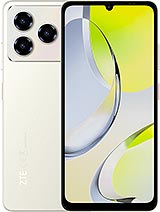
Blade A76 4G

Blade A76

Blade A75
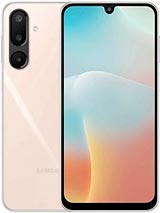
Galaxy M16 5G