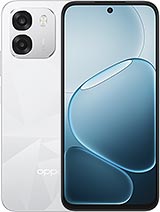
ZTE nubia Neo 2 review
This phone suits buyers in emerging markets who prioritize a long battery, a smooth 120Hz screen, and all-day reliability over performance headroom or camera range. If you need a capable multi-year daily driver or any room to grow into more demanding apps, save a bit more and look at a Snapdragon-based rival.
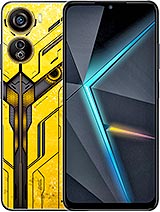
This review is based on ZTE’s published specifications and public benchmark data for the ZTE nubia Neo 2, and the rating is spec-based. GoSolo does not physically test devices; where we estimate real-world behaviour such as battery life or charge time, we say so. How we rate phones.
Overview
The nubia Neo 2 is a lean budget Android phone aimed at light daily use and casual content consumption in regions where ZTE has carrier backing. Its 120Hz LCD screen and all-day battery are genuine pluses, but the entry-level Unisoc chip and basic single-lens camera setup leave little room for anything beyond messaging, social media, and lighter games.
Design & build
At 192g and 8mm thick, the nubia Neo 2 is slim and reasonably light for a 6.6-inch phone, making it comfortable to hold for extended periods. The side-mounted fingerprint sensor is well-placed and responsive. There are pressure-sensitive gaming triggers, a thoughtful touch for casual players, though they add little value in practice. The overall build feels plastic-dominated and unremarkable, which is typical of this price band; durability claims are unspecified, so expect it to feel like a budget device rather than one built to last through several years of heavy use.
Display
The 6.6-inch IPS LCD with 120Hz refresh is the nubia Neo 2's strongest selling point. At 1080 x 2408 pixels and roughly 400 ppi, text and photos are sharp and scrolling through apps or social feeds feels smooth. The 120Hz matters here because it's still uncommon at this price, and it genuinely lifts the everyday feel. That said, IPS LCD has a ceiling: peak brightness is respectable indoors but not blinding outdoors, so you'll need to angle the screen in direct sunlight. OLED rivals at this price are rare, so the LCD trade-off is not unusual, but it's worth noting if you spend time outside.
Performance
The Unisoc T820 is an entry-level chip. Its six Cortex-A76 cores (one at 2.7 GHz, three at 2.3 GHz) handle messaging, email, and web browsing without lag. Casual games run fine, but sustained load—an hour of demanding 3D games or heavy video editing—will trigger throttling and heat buildup. This is not a phone for competitive gaming or creative work. For everyday tasks and light media consumption, it's adequate. Heavy multitasking with many browser tabs or large apps will show the limits. Coming from a flagship or even a mid-range Snapdragon, you will notice the slowdown.
Software
The phone ships on Android 13, which is now two years behind the latest version, though security patches should still arrive. ZTE's skin over Android is minimal, which is good: fewer bloatware and less drain on an entry-level chipset. Long-term update support is uncertain, as ZTE has a mixed track record, so assume this phone will receive one or at most two major Android updates. For a sub-€200 device, that's not a shock, but it's worth bearing in mind if you plan to keep it for three or more years.
Camera
The main 50MP sensor with f/1.8 aperture and phase-detection autofocus is solid for its class. Hand-held shots in indoor light are sharp, and daylight photos show good detail and natural color. The LED flash does its job for fill light in low conditions. The catch is what's missing: there's no ultrawide, no zoom lens, and no dedicated night mode. The auxiliary depth lens is basic 2MP and adds little practical value. Video is capped at 1080p@30fps, which is limiting if you want to shoot clips for social media that won't look soft on newer displays. For Facebook posts and WhatsApp sharing, it's fine; for anything else, you'll feel the ceiling.
Battery & charging
The 4500 mAh battery easily lasts a full day with typical mixed use—messaging, social media, streaming, and photos. Heavy gaming or video streaming will eat into that; very light use pushes closer to two days. The 33W wired charger fills the tank in roughly 45 to 75 minutes, which is respectable and practical for a quick top-up before leaving home. There's no wireless charging, which is standard at this price, so you're tied to the cable. No charger in the box is a minor inconvenience but expected in 2024 onwards.
Value & verdict
At around €180, the nubia Neo 2 is a no-fuss budget Android phone for markets where ZTE has network support. It does one job well: light daily use—messaging, social media, casual gaming, and video streaming—with a screen that punches above its price and a battery that won't abandon you by evening. The Unisoc chip is the honest limitation; it's not weak, but it's a ceiling rather than a launchpad. If you need a second phone, or if you're new to smartphones and want something uncomplicated, this is defensible. If you're looking for longevity, gaming, or future-proofing, you'll want to stretch your budget to a mid-range device with a Snapdragon or MediaTek Helio G or higher.
Verdict
This phone suits buyers in emerging markets who prioritize a long battery, a smooth 120Hz screen, and all-day reliability over performance headroom or camera range. If you need a capable multi-year daily driver or any room to grow into more demanding apps, save a bit more and look at a Snapdragon-based rival.
- 120Hz IPS LCD display with solid brightness and sharp 400 ppi density
- Capable all-day battery; 4500 mAh comfortably covers a full day of mixed use
- 50MP main camera with f/1.8 aperture and PDAF handles indoor and daylight shooting well for its class
- 5G connectivity and dual SIM support for flexibility in carrier choice
- Unisoc T820 chipset throttles under sustained load; gaming beyond casual titles will see frame drops and heat after 30–45 minutes
- No microSD expansion and the battery is not user-replaceable, locking you into 256GB storage forever
- Video recording maxes out at 1080p with no ultrawide or dedicated zoom lens; weak telephoto performance
ZTE nubia Neo 2 Key Specifications
The essentials at a glance. See the full spec sheet.
| Released | 2023, June |
|---|---|
| Display | 6.6 inches, 104.9 cm2 (~85.5% screen-to-body ratio), IPS LCD, 120Hz |
| Resolution | 1080 x 2408 pixels, 20:9 ratio (~400 ppi density) |
| Chipset | Unisoc T820 (6 nm) |
| RAM & storage | 256GB 8GB RAM |
| Main camera | 50 MP, f/1.8, 26mm (wide), PDAF Auxiliary lens |
| Selfie camera | 8 MP, f/2.0, (wide) |
| Battery | 4500 mAh |
| Charging | 33W wired |
| Software | Android 13 |
| Dimensions | 163.7 x 75 x 8 mm (6.44 x 2.95 x 0.31 in) |
| Weight | 192 g (6.77 oz) |
| Durability | Pressure sensitive zones (Gaming triggers) |
| Network | GSM / HSPA / LTE / 5G |
| NFC | Yes |
| USB | USB Type-C 2.0, OTG |
ZTE nubia Neo 2 FAQ
Common questions, answered from the spec sheet.
Does the nubia Neo 2 support 5G?
Yes. The nubia Neo 2 supports 5G networks.
What chipset does the nubia Neo 2 use?
The nubia Neo 2 runs on the Unisoc T820 (6 nm).
What display does the nubia Neo 2 have?
A 6.6 inches, 104.9 cm2 (~85.5% screen-to-body ratio) IPS LCD, 120Hz, 1080 x 2408 pixels, 20:9 ratio (~400 ppi density).
How big is the nubia Neo 2 battery?
The nubia Neo 2 has a 4500 mAh battery. Charging is rated at 33W wired.
Does the nubia Neo 2 have NFC?
Yes, the nubia Neo 2 has NFC.
Is the nubia Neo 2 water resistant?
The nubia Neo 2 carries a Pressure sensitive zones (Gaming triggers) rating.
Does the nubia Neo 2 support a microSD card?
Yes, the nubia Neo 2 supports expandable storage (Unspecified).
Does the nubia Neo 2 have a headphone jack?
No, the nubia Neo 2 does not have a 3.5mm headphone jack.
Alternatives to consider
If the nubia Neo 2 isn’t quite right, these are the closest calls.
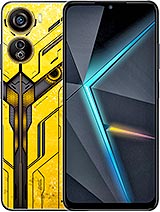
nubia Neo 3
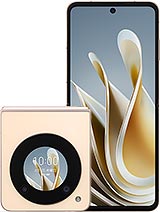
nubia Flip
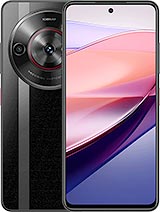
nubia Focus 2
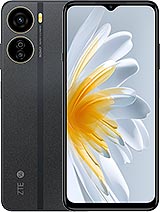
Voyage 3D
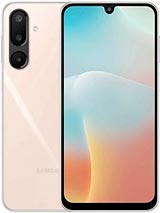
Galaxy M16 5G